Why Some Doula Certifications Require Live Births — and Why DNT Network Takes a Flexible Approach
One of the most common questions we hear from prospective students is:
“I’m seeing other organizations require attending live births as a prerequisite for certification. I don’t see that on your website—can you explain why?”
It’s an important question, especially when you’re comparing doula training programs and trying to understand the real differences behind the requirements. At DNT Network, we believe transparency matters, because live birth requirements can significantly affect how long certification takes, how much it costs, and how accessible the pathway is for students.
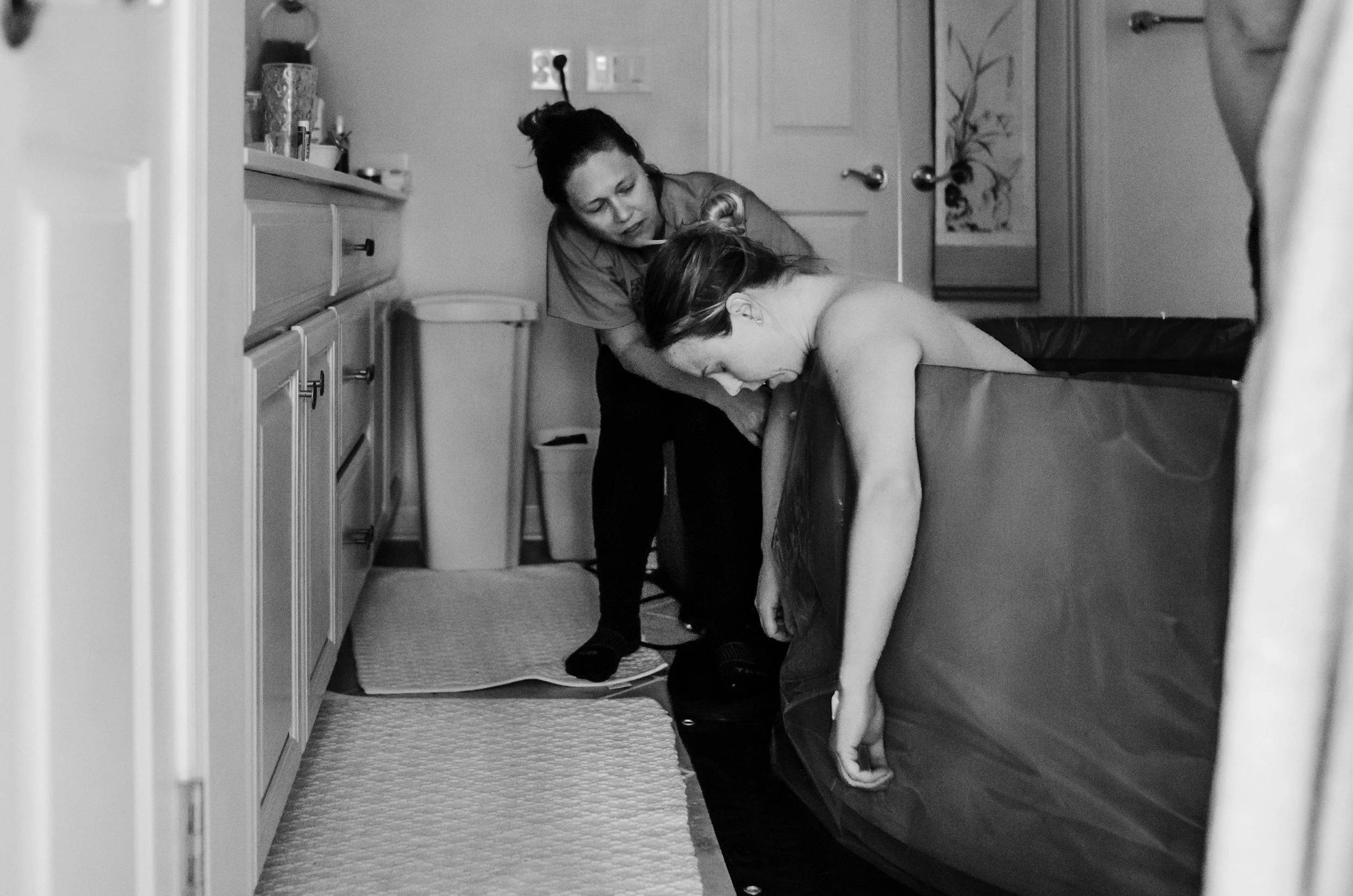
Why Some Programs Require Live Birth Attendance
Many doula organizations require students to attend a certain number of live births before certification. These requirements exist for several reasons, and they’re not always tied directly to educational quality.
In many cases, birth attendance requirements create additional steps later in the certification process that come with extra costs. Students may be charged for birth verification, mentor or supervisor reviews, documentation processing, or administrative approval after they’ve already paid tuition. While these fees are often presented as “standard,” they can add up quickly and push the total cost of certification well beyond what students initially expected.
In other cases, live birth requirements are tied to specific state Medicaid rules (US specific). Some states require doulas to attend a set number of births in order to qualify for Medicaid reimbursement. Certain certification organizations choose to build those state-specific rules into their program across the board, even though Medicaid requirements vary widely from state to state.
As a result, many programs apply live birth requirements universally, even when they may not be relevant—or necessary—for every student.

Why DNT Network Does Not Use a One-Size-Fits-All Rule
At DNT Network, we intentionally chose not to make live birth attendance a blanket prerequisite for certification.
The primary reason is that state and employer requirements vary significantly. A single rule does not serve students who plan to work in private practice, postpartum-only roles, virtual care, or states that do not require birth attendance for certification or employment. Instead of enforcing a universal requirement, we offer flexible, customized pathways that help graduates meet the expectations of their specific state, agency, or employer.
That said, it’s important to be clear: in some states, we do enforce live birth attendance when it is required to comply with state Medicaid or regulatory guidelines. When this applies, we guide students through exactly what is needed and help them meet those requirements in a structured, supportive way.

No Additional Fees for Birth Verification or Processing
One key difference in our approach is cost transparency. Even in states where live birth attendance is required, DNT Network does not charge additional fees for birth documentation verification, processing, reviews, or administrative approvals. There are no surprise charges later in the certification process.
Our goal is to support compliance—not to create new revenue streams through paperwork.
In some cases, we also work directly with graduates to help them connect with birth opportunities when attendance is required, again without charging extra placement or verification fees.

Preparation Without Gatekeeping
Not requiring universal birth attendance does not mean lowering standards. Our curriculum is evidence-based and designed around real-world scenarios doulas encounter every day—supporting emotional well-being, navigating family dynamics, understanding scope of practice, and communicating effectively with care teams.
Students demonstrate readiness through structured assessments, practical evaluations, case-based learning, and mentorship. Many graduates go on to attend births through agencies, Medicaid programs, or private practice, already equipped with strong foundational skills and confidence.
A Certification Designed to Adapt to You
Our certification model is built to adapt to where and how you plan to practice, rather than forcing every student into the same path. Whether you are pursuing private clients, agency work, insurance-supported programs, or postpartum-focused care, our goal is to remove unnecessary barriers while still meeting real-world requirements.
If you’re comparing doula certification programs, understanding how and why live birth requirements are applied can make all the difference. If you’d like to talk through your state’s requirements or your professional goals, we’re always happy to help you make an informed decision.
