Module 1 — Foundations of Pre & Postnatal Coaching (8 hrs)
IN THIS LESSON
Topics Covered:
What a Pre/Postnatal Fitness Coach Actually Does
Learn what your role truly is: helping clients move safely, build strength, and feel confident during pregnancy and postpartum. We’ll keep it simple so you know exactly what you can coach—without crossing into medical advice.What’s In Scope vs. What Needs a Referral
You’ll learn where the line is (and how to spot it) when a client brings up pain, leaking, pelvic heaviness, or other concerns. We’ll cover how to respond professionally and when it’s best to loop in a provider like an OB, midwife, or pelvic floor PT.Professional Communication, Documentation, and Safety Basics
We’ll go over the basics that protect you and your clients—like informed consent, consistent check-ins, and clear coaching language. By the end, you’ll feel confident running sessions that are safe, respectful, and easy to repeat.

What a Pre/Postnatal Fitness Coach Actually Does
Movement, confidence, and knowing your lane.
Let's start with a confession: most people come into this certification thinking the hardest part will be learning anatomy or programming a workout. And yes, those things matter. But the coaches who struggle most in this field aren't the ones who forget which trimester to avoid prone exercises — they're the ones who were never clear on what their job actually is.
So before we get into musculoskeletal changes or pelvic floor mechanics, we need to anchor something foundational: your role. Not in a vague, feel-good way. In a specific, legally and clinically grounded way that will protect you, your clients, and frankly, the whole field.

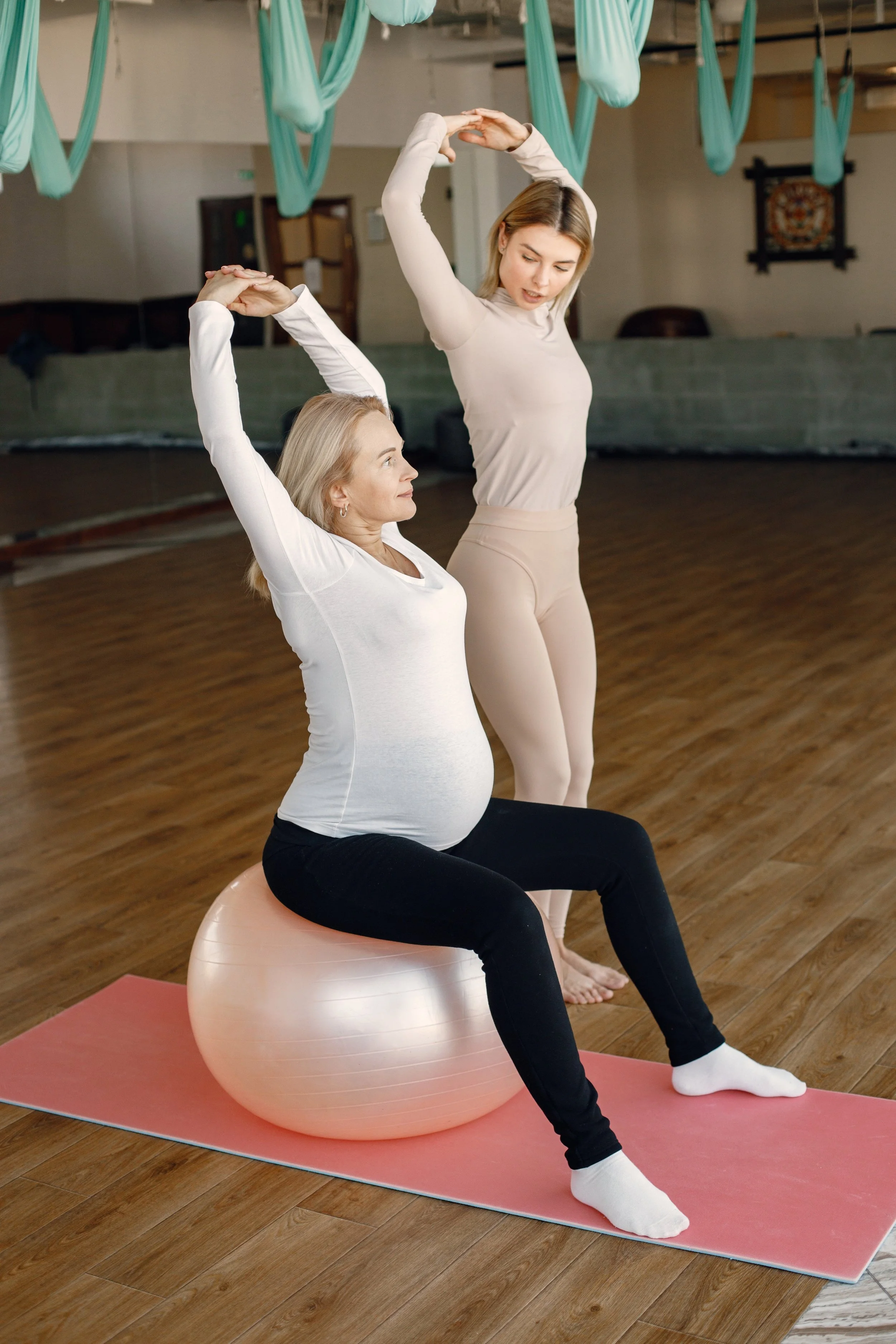
Pre- and postnatal coaching is about helping clients move with confidence, clarity, and support.
The short version
A pre/postnatal fitness coach helps clients move safely, build and maintain functional strength, and develop body confidence during one of the most physically transformative periods of their lives. That's it. You are not a physiotherapist, a midwife, a pelvic health specialist, or a diagnostician. You work in the movement space — and that space is meaningful, evidence-supported, and genuinely impactful.
Research spotlight
A 2019 systematic review in the British Journal of General Practice found that structured exercise during pregnancy reduces the risk of gestational diabetes by up to 38%, decreases excessive gestational weight gain, and lowers rates of caesarean delivery. These are outcomes your coaching can directly influence — through movement guidance, not medical intervention.
Source: Mottola MF et al., 2018, British Journal of Sports Medicine
Why the role boundary matters so much here
In a general fitness context, the line between coach and clinician is occasionally blurry. A client mentions knee pain, you adjust the squat pattern, everyone moves on. The stakes feel manageable.
In the prenatal and postpartum context, the stakes change. Your clients are navigating hormonal shifts, musculoskeletal adaptations, pelvic floor changes, and in postpartum cases, active tissue recovery. Their bodies are doing things that are genuinely outside your scope to assess or diagnose. And yet they often trust you — in some cases more than they trust their obstetric providers, especially when it comes to questions about physical activity.
That trust is a gift. It also comes with responsibility.
Analogy worth stealing
"Think of yourself as the person who builds and maintains the road. The pelvic floor physiotherapist is the traffic engineer who figures out why the road keeps cracking. You can notice the cracks. You can slow down traffic. But you don't redesign the infrastructure."
What falls inside your scope
Here's the practical split. This is not exhaustive — your scope will also be shaped by your jurisdiction and any additional certifications you hold — but it gives you the working model:
In your lane
- Exercise selection and programming
- Movement cueing and technique
- Load and intensity management
- Recognising symptoms that warrant referral
- Education about how the body changes
- Breathing and pressure management strategies
- Postpartum return-to-exercise timelines
- Motivational and behavioural support
Outside your lane
- Diagnosing diastasis recti severity
- Prescribing pelvic floor exercises therapeutically
- Advising on medical conditions or complications
- Clearing a client to return to exercise post-surgery
- Interpreting symptoms (pain, leaking, prolapse heaviness)
- Overriding obstetric or physiotherapy advice
- Making nutritional prescriptions
Common boundary mistake
A client says, "My physio told me to avoid heavy lifting but I feel totally fine — what do you think?" The coach's job here is not to adjudicate. You support the physio's recommendation while helping the client move well within it. Your opinion on what she "should" be able to do is not clinical guidance. Keep the lane.
The three things your clients actually need from you
When you strip away the anatomy and the programming frameworks, pre/postnatal clients consistently report needing three things from their fitness coach:
1. To feel safe moving
Pregnancy and early postpartum are often accompanied by fear — fear of doing harm, fear of the body, fear of not bouncing back. Research from the American College of Obstetricians and Gynecologists (ACOG) has consistently shown that in the absence of obstetric or medical complications, exercise is not only safe but recommended throughout pregnancy. Your job is to embody and communicate that safety — through competent programming, clear communication, and an environment where questions don't feel stupid.
Research spotlight
ACOG's 2020 Committee Opinion on Physical Activity and Exercise During Pregnancy states that women with uncomplicated pregnancies should be encouraged to engage in aerobic and strength-training exercise before, during, and after pregnancy. The document explicitly identifies fitness professionals as part of the care team for promoting activity. You're not peripheral — you're referenced.
Source: ACOG Committee Opinion No. 804, 2020
2. To build functional strength
The body of a pregnant or postpartum person is load-bearing in ways it has never been before. A growing uterus shifts the centre of gravity. Relaxin softens connective tissue. Postpartum, clients may be carrying, feeding, and caring for a newborn while simultaneously recovering from a major physiological event. Strength isn't vanity in this context — it's infrastructure. Your programming should reflect that.
3. To feel confident in their body
This one is harder to quantify but no less important. A 2020 study in the Journal of Midwifery & Women's Health found that beliefs about exercise — including confidence in one's physical capability — were among the strongest predictors of whether pregnant and postpartum women actually stayed active. Confidence isn't a bonus feature of your coaching. It's part of the outcome.
What "not crossing into medical advice" actually looks like
This is where theory meets practice, and where coaches often get anxious. What do you say when a client asks about her diastasis? What do you do when someone mentions leaking during jumping jacks? The answer follows a simple pattern: observe, name, refer, adapt.
- Observe — Notice what's happening (doming at the midline, breath-holding, wincing on landing)
- Name — Reflect it back neutrally ("I noticed some doming during that — let's try a different variation")
- Refer — When symptoms indicate a clinical concern, point her toward the right professional clearly and warmly
- Adapt — Modify the programming to work within what her body is showing you, without diagnosing why
Coaching in action
Client says: "I leak a little when I jump. Is that normal?"
Coach says: "It's very common — a lot of postpartum people experience that. It's something a pelvic floor physio can really help with if you haven't seen one yet. In the meantime, let's swap this exercise for something that gives you the same cardio benefit without that pressure. Would that work?"
Notice: You didn't diagnose it. You didn't tell her it was fine. You validated, referred, and adapted. That's the whole move.

A good coach helps clients feel safe in their body while staying clearly within scope.
Your professional position in the care team
Here's something the fitness industry doesn't say loudly enough: you are part of a broader care team. Obstetricians, midwives, pelvic floor physiotherapists, lactation consultants, mental health professionals — these practitioners are your collaborators, not your competition. The most effective pre/postnatal coaches build referral relationships with other practitioners, know when to send clients onward, and accept referrals back when clients are cleared for programming.
This interdisciplinary model isn't just good ethics — it's good business. Practitioners who can confidently operate within their scope and communicate fluently with clinical colleagues earn trust and referrals that coaches who try to do everything simply don't.
Research spotlight
A review in Seminars in Reproductive Medicine found that physical activity across the perinatal continuum is most effective when supported by an interdisciplinary care model that includes fitness professionals alongside obstetric and allied health teams. Exercise professionals were identified as a distinct and valuable part of that team.
Source: Harrison CL et al., 2016, Seminars in Reproductive Medicine
One more thing: you are not neutral in this space
It's tempting to think your job is purely technical — sets, reps, progressions. But the pre/postnatal coaching space is one where cultural messages about bodies, recovery timelines, and "bouncing back" cause real harm. Clients will come to you having absorbed messaging that their postpartum body needs fixing, that they should be back in their jeans by six weeks, that training through discomfort is a virtue.
You don't have to be a therapist to push back on that gently. Part of your role is holding a better model of what this period actually is — a physiological transition that deserves patience, intelligence, and respect. That's not soft coaching. That's evidence-based coaching.
Before you move on — check your understanding
- What are three things that fall within a pre/postnatal coach's scope of practice?
- What is the "observe, name, refer, adapt" model and when would you use it?
- Why is interdisciplinary collaboration not just ethical but strategically useful for a coach?
- A client asks whether she has diastasis recti. How do you respond without diagnosing or dismissing?
References
- Mottola MF, Davenport MH, Ruchat S-M, et al. (2018). 2019 Canadian guideline for physical activity throughout pregnancy. British Journal of Sports Medicine, 52(21), 1339–1346. https://doi.org/10.1136/bjsports-2018-100056
- American College of Obstetricians and Gynecologists. (2020). Physical activity and exercise during pregnancy and the postpartum period. ACOG Committee Opinion No. 804. Obstetrics & Gynecology, 135(4), e178–e188. https://doi.org/10.1097/AOG.0000000000003772
- Evenson KR, Barakat R, Brown WJ, et al. (2014). Guidelines for physical activity during pregnancy: Comparisons from around the world. American Journal of Lifestyle Medicine, 8(2), 102–121. https://doi.org/10.1177/1559827613498204
- Goom T, Donnelly G, Brockwell E. (2019). Returning to running postnatal — guidelines for medical, health and fitness professionals managing this population. [Clinical guideline]. running-physio.com
- Harrison CL, Brown WJ, Hayman M, Moran LJ, Redman LM. (2016). The role of physical activity in preconception, pregnancy and postpartum health. Seminars in Reproductive Medicine, 34(2), e28–37. https://doi.org/10.1055/s-0036-1583530
- Tinius R, Nagpal TS, Edens K, Duchette C, Blankenship M. (2020). Exploring beliefs about exercise among pregnant women in rural communities. Journal of Midwifery & Women's Health, 65(4), 538–545. https://doi.org/10.1111/jmwh.13080
Fitness Coaching in Practice
-
She’s in her second trimester and hasn’t exercised in a long time. She’s heard mixed advice and is worried about doing something wrong. Even simple movements make her hesitate. She’s watching herself closely, unsure if she’s “allowed” to move certain ways.
How to Approach This as a Coach
Keep movements simple and low-impact
Explain what you’re doing in plain language
Move at a slower pace than you normally would
Focus on helping her feel safe and capable
Example Coaching Script
“Before we start, I want you to know there’s no pressure today. We’re not trying to push anything—we’re just helping your body stay active and feel good. I’ll guide you through everything step by step, and if something feels off, we stop or adjust right away.”
“Let’s start with something simple like this squat. You don’t need to go low—just move in a way that feels comfortable. I want you to focus on staying steady and breathing normally. There’s no ‘perfect form’ here, just controlled movement.”
“As we go, I’ll check in with you. If anything feels uncomfortable or if you’re unsure, just tell me. You’re not expected to know how everything should feel—that’s what I’m here for.”
“You’re doing exactly what you should be doing—moving in a way that supports your body. Even this level of movement is a big step in the right direction.”
Cue Awareness
Watch for hesitation or stiffness
Notice if she holds her breath
Adjust quickly if she seems unsure
-
She wants to feel like herself again but feels weak and discouraged. She may compare herself to her pre-pregnancy fitness level. She’s also dealing with fatigue and a new routine.
How to Approach This as a Coach
Reset expectations early
Keep sessions short and manageable
Focus on control and stability
Reinforce small wins
Example Coaching Script
“I hear you—you want to feel like yourself again, and that makes complete sense. But right now, we’re not trying to go back—we’re building forward from where you are today.”
“Let’s keep this really manageable. Even 10–15 minutes of focused movement can make a difference. Today, we’re going to focus on feeling stable and in control, not on intensity.”
“As you’re doing this movement, pay attention to how your body feels. If it feels shaky or unfamiliar, that’s normal. It doesn’t mean you’re doing it wrong—it just means your body is rebuilding.”
“I want you to notice what you can do today. That’s what we build on. Progress here isn’t about pushing harder—it’s about showing up consistently and feeling a little stronger each time.”
“You’re doing better than you think. This stage takes patience, but you’re already moving in the right direction.”
Cue Awareness
Watch for early fatigue
Notice signs of frustration
Adjust pace to match energy
-
She was active before pregnancy and wants to maintain her routine. She may push through discomfort or downplay warning signs because she’s used to higher intensity.
How to Approach This as a Coach
Keep her engaged but adjust intensity
Educate without sounding restrictive
Focus on long-term consistency
Example Coaching Script
“I can tell you’re used to moving at a higher level, and that’s a great foundation. We’re not taking that away—we’re just adjusting things so your body can keep up with the changes happening right now.”
“We’re going to keep the structure similar, but I may scale back the intensity or volume a bit. That’s not holding you back—it’s helping you stay consistent without running into setbacks.”
“As you’re moving, I want you to check in with your breathing and how your core feels. If something feels like pressure or strain, that’s our signal to adjust—not push through.”
“The goal here is to keep you moving in a way that feels good now and sets you up for a smoother recovery later. That’s a win long-term.”
“You’re still doing the work—you’re just doing it smarter for this stage.”
Cue Awareness
Watch for pushing through discomfort
Monitor breath and control
Adjust before fatigue becomes strain
Certified Pre/Postnatal Fitness Coach - Tine’s Story
Looking at the effects of exercising on pregnant women
What's In Scope vs. What Needs a Referral
How to spot the line — and what to say when you find it.
Here's a scenario that happens all the time: a client is midway through a session, and between reps she mentions something almost casually. "Oh, I've been leaking a bit when I jump." Or: "I've had this really heavy feeling down there since birth." Or: "My lower back has been killing me for weeks."
What do you do?
If you've been trained well, you pause. You don't immediately reassure her that it's normal. You don't try to diagnose what's happening. And you don't pretend you didn't hear it. You respond with curiosity, warmth, and a clear sense of what your role is — and what it isn't.
This lesson is about building exactly that instinct. By the end of it, you'll know which symptoms you can work around, which ones require a referral, who to refer to, and how to have the conversation without making it awkward or alarming.

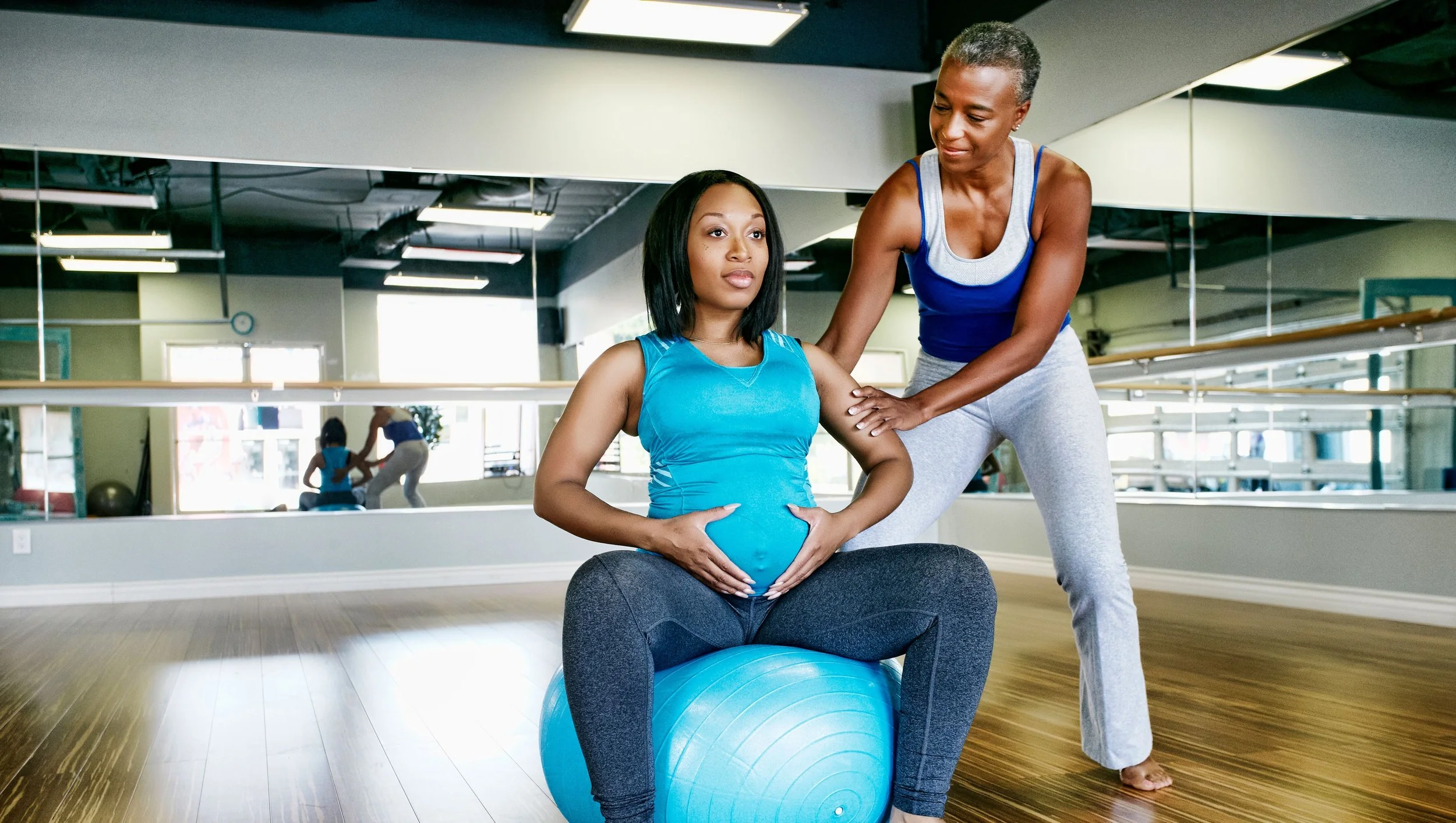
Many referral conversations begin with symptoms clients mention casually — which is why coaches need to know what to notice and what to do next.
Why this matters more than you might think
Pelvic floor dysfunction is far more common in the perinatal population than most coaches realise — and far more commonly undertreated. Research consistently puts postpartum urinary incontinence prevalence somewhere between 20% and 50% in the first year after delivery. Pelvic organ prolapse symptoms affect up to 30% of women postpartum. Sexual dysfunction touches around 40% of postpartum women in some studies.
Research spotlight
Urinary incontinence affects approximately 20–50% of women in the first year following delivery, with symptoms persisting for more than a year in a significant subset. Pelvic organ prolapse symptoms affect up to 30% of postpartum women, and sexual dysfunction around 40% — all of which can profoundly impact physical, mental, and emotional wellbeing.
Source: Pelvic floor dysfunction after childbirth: A systematic review of prevalence, Journal of Women's Applied Research Review, 2025
These numbers mean that in any coaching practice working with postpartum clients, a significant proportion of the women in front of you are experiencing symptoms they may never have mentioned to anyone. The fitness coach is often the most consistent health-adjacent professional in a postpartum woman's life. That's both an opportunity and a responsibility.
The two questions that sort almost everything
When a client raises a concern, you're really asking yourself two questions in the background:
- Is this a programming problem or a clinical problem? A programming problem means you can address it through exercise selection, load management, cueing, or modification. A clinical problem means the symptom requires assessment and treatment by a qualified health practitioner.
- Is this a new symptom, a worsening symptom, or a stable background condition? New or worsening symptoms nearly always warrant referral, even if the symptom itself sounds minor.
A practical guide to common symptoms
| Symptom | What you can do | When to refer |
|---|---|---|
| Urinary leaking | Reduce load and impact; modify exercises that spike intra-abdominal pressure; cue breath and brace; swap high-impact for lower-impact alternatives | Any leaking at all — refer to pelvic floor physio. Leaking is common but not normal and should not be trained around indefinitely |
| Pelvic heaviness or pressure | Reduce loading volume; avoid prolonged standing or high-impact activity; note when it occurs | Always refer to pelvic floor physio. Heaviness may indicate prolapse and should be assessed before progressing load |
| Lower back / pelvic girdle pain | Modify exercises that aggravate; reduce unilateral loading; adjust tempo and range of motion | Pain persisting beyond 2–3 sessions of modification, worsening pain, or pain radiating into the leg — refer to physio or GP |
| Midline doming / coning | Modify immediately — replace the movement; note which exercises trigger it | Refer to pelvic floor physio for diastasis recti assessment — you can observe and modify but cannot assess severity |
| Pain during or after exercise | Reduce intensity and modify; rule out technique errors; do not push through pain | Pain 4/10 or above, pain not settling within 24 hours, or pain in the pelvic or abdominal region — refer to physio or GP |
| Excessive fatigue | Reduce volume and intensity; check sleep, feeding, and life load; adjust session demands | Persistent disproportionate fatigue with dizziness, shortness of breath, or chest tightness — refer to GP urgently |
| Low mood / anxiety | Acknowledge warmly; keep pressure low; be a steady non-judgmental presence; don't attempt counselling | Any concern about postnatal depression or anxiety — refer to GP or midwife |
| Scar sensitivity (caesarean or perineal) | Avoid direct loading over the scar; cue patterns that don't pull on it; ask about scar mobility | Scar pain, numbness, or restricted mobility — refer to women's health physio for scar tissue work |
Important framing note
"Common" does not mean "normal" and does not mean "acceptable." Urinary leaking is extraordinarily common postpartum — but it is a sign of pelvic floor dysfunction, not a rite of passage. When a client dismisses her symptoms with "oh, it's just what happens after babies," your job is to gently but clearly hold a higher standard: it's common, and it's treatable, and you deserve support.
The referral conversation: how to have it well
A lot of coaches know when to refer but freeze on how. There are four elements to a strong referral conversation:
- Validate — acknowledge what the client has shared without minimising it
- Normalise the referral — frame seeing a specialist as proactive, not alarming
- Name the right person — be specific about who can help and why
- Stay in the room — reassure them that you're not handing them off; you're expanding the team
Scenario: leaking during exercise
Client
"I've been leaking a little when I jump or sneeze. It's not a big deal, it happens to everyone after a baby, right?"
Coach
"It's really common — you're definitely not alone in that. But common doesn't mean it's just something to put up with. A pelvic floor physio can actually assess what's happening and give you really targeted support. Have you seen one since having the baby? If not, I'd love to help you get connected. In the meantime, I'm going to swap some of the jumping for lower-impact options so we're not loading that system unnecessarily."
Scenario: pelvic heaviness or pressure
Client
"I've had this weird heavy feeling in my pelvis, especially by the end of the day or after we train."
Coach
"Thank you for telling me that — that's really important. That kind of feeling is something a pelvic floor physio needs to take a look at, because it can sometimes be a sign that the pelvic structures need a bit more support before we load them up. I'll adjust today's session in the meantime. Can we make a plan to get you booked in?"
Scenario: persistent lower back pain
Client
"My lower back has been really sore. I thought it would get better on its own but it's been about six weeks now."
Coach
"Six weeks is definitely worth getting looked at — that's not something to keep waiting on. A physiotherapist would be brilliant for this; they can assess what's actually going on. I can work with you in the meantime, and I'll be really careful about which movements we're doing, but I'd feel better if you got it properly assessed."
Research spotlight
A 2022 paper in the International Journal of Sports Physical Therapy highlighted a significant gap: referral to physical therapy — both prenatally and postnatally — is not currently standard of care in most health systems, despite evidence for its effectiveness in addressing musculoskeletal pain, diastasis recti, and pelvic floor dysfunction. Fitness professionals who proactively direct clients toward pelvic health services are filling a genuine gap in the care pathway.
Source: Selman R et al., 2022, International Journal of Sports Physical Therapy
Who to refer to — and why it matters
Pelvic Floor Physiotherapist
Leaking, prolapse symptoms, pelvic pain, diastasis recti assessment, scar tissue, return-to-sport readiness. First line for most pelvic and perineal concerns.
GP or OB/Midwife
Anything that may be medical: persistent pain, abnormal bleeding, mood concerns, unexplained fatigue, or any symptom where you're unsure. Gateway for specialist referrals.
Musculoskeletal Physiotherapist
Lower back pain, pelvic girdle pain, hip pain, shoulder dysfunction, joint pain — where the concern is structural or movement-based rather than pelvic floor-specific.
Mental Health Professional
Postnatal depression, anxiety, birth trauma, body image concerns, disordered exercise behaviour. Do not attempt to counsel; refer warmly and clearly.
Lactation Consultant
Feeding concerns affecting exercise capacity, energy, or hydration. Indirect but important when breastfeeding is complicating training loads.
Dietitian
Concerns about energy availability, nutrition during breastfeeding, or disordered eating patterns. Do not give nutritional prescriptions yourself — refer instead.
Building your referral network
The most effective pre/postnatal coaches don't just know who to refer to — they have actual relationships with those practitioners. Make it a professional priority to introduce yourself to a local pelvic floor physio, a women's health GP, and a maternal mental health service. When clients know you can point them toward someone specific — not just "see a physio" — referrals are far more likely to be followed through.
The trickiest scenarios: when clients push back
When she says: "It's not that bad"
Acknowledge her assessment — and gently separate "tolerable" from "optimal." "I hear you — and I trust you know your body. I just want to make sure we're not building on a foundation that could cause bigger problems later. Even a one-off assessment can give us both a much clearer picture."
When she says: "My GP said I was fine at the six-week check"
The six-week postnatal check is valuable, but it doesn't typically include a functional pelvic floor assessment. "That's great — and a pelvic floor physio is really a different kind of check. It's much more specific to exactly this kind of thing. They're the ones who can really assess the mechanics of what's happening."
When she says: "I can't afford it right now"
This is a real barrier and deserves genuine acknowledgement. Ask whether a public hospital outpatient physio service is accessible, whether her insurer covers any visits, or whether a single assessment might be within reach. Help her navigate around the constraint where you can.
The limit of your role
If a client declines a referral and chooses to continue training despite a symptom that warrants clinical assessment, you can continue to modify her programming and document your recommendations. You cannot override her autonomy. Clearly note the symptom and your referral recommendation in her file, continue working safely within what her body is showing you, and re-raise the referral at a future session.
Before you move on — check your understanding
- A client mentions she leaks during jumping jacks but says it's "just normal after babies." How do you respond — and what do you change about the session?
- What is the difference between a programming problem and a clinical problem? Give an example of each.
- Name three practitioners you might refer a postpartum client to, and describe what would prompt each referral.
- A client declines a referral you've recommended. What are your professional obligations, and what should you document?
- Why is the six-week GP check not a substitute for a pelvic floor physiotherapy assessment?
References
- Pelvic floor dysfunction after childbirth: A systematic review of prevalence and management. Journal of Women's Applied Research Review, 2025. journalwjarr.com
- Woodley SJ, Lawrenson P, Boyle R, et al. (2020). Pelvic floor muscle training for preventing and treating urinary and faecal incontinence in antenatal and postnatal women. Cochrane Database of Systematic Reviews, 5, CD007471. https://doi.org/10.1002/14651858.CD007471.pub7
- Goom T, Donnelly G, Brockwell E. (2019). Returning to running postnatal — guidelines for medical, health and fitness professionals managing this population. [Clinical guideline]. running-physio.com
- Selman R, Early K, Battles B, Seidenburg M, Wendel E, Westerlund S. (2022). Maximizing recovery in the postpartum period: a timeline for rehabilitation from pregnancy through return to sport. International Journal of Sports Physical Therapy, 17(6), 1170–1183. https://doi.org/10.26603/001c.37863
- Hage-Fransen MAH, Wiezer M, Otto A, et al. (2021). Pregnancy- and obstetric-related risk factors for urinary incontinence, fecal incontinence, or pelvic organ prolapse later in life. Acta Obstetricia et Gynecologica Scandinavica, 100(3), 373–382. https://doi.org/10.1111/aogs.14027
- American College of Obstetricians and Gynecologists. (2020). Physical activity and exercise during pregnancy and the postpartum period. ACOG Committee Opinion No. 804. Obstetrics & Gynecology, 135(4), e178–e188. https://doi.org/10.1097/AOG.0000000000003772
What’s In Scope: Emily Demonstrates Postpartum-Safe Exercises
Professional Communication, Documentation, and Safety Basics
The systems that protect you, your clients, and the quality of your work.
There's a version of this lesson that reads like an insurance checklist. That's not this version.
Yes, informed consent matters for liability. Yes, good documentation protects you professionally. But the more interesting argument — and the more true one — is that the communication and safety practices covered here are the infrastructure of good coaching. They're not compliance requirements bolted onto the outside of your work. They're what makes the work consistent, trustworthy, and repeatable — session to session, client to client, month to month.

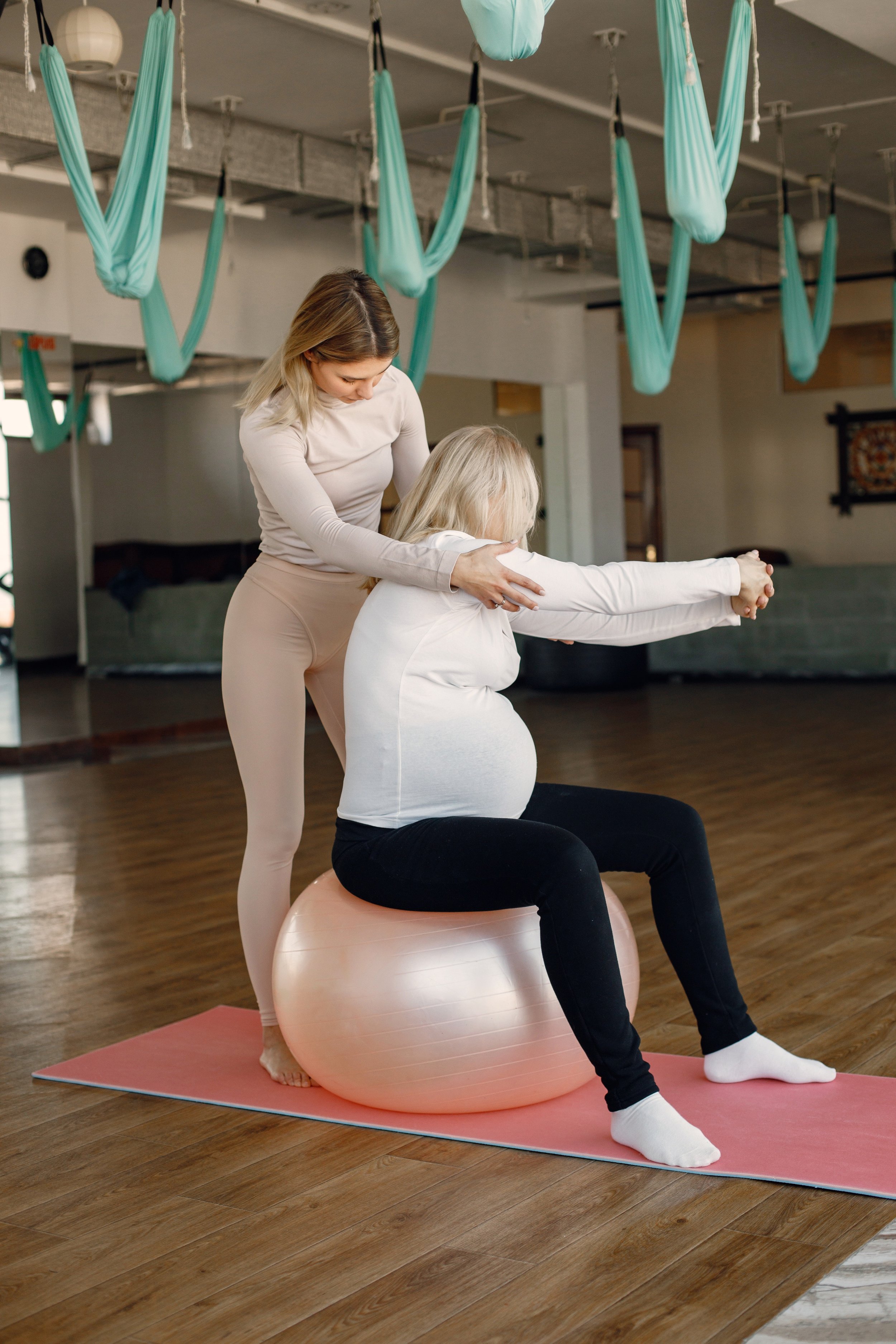
Strong systems help coaches support pregnant and postpartum clients with more clarity, confidence, and consistency.
Part 1: Before the first session — screening and consent
Why pre-exercise screening is different here
For most healthy adults, a PAR-Q is a reasonable starting point for exercise screening. For the perinatal population, you need something more specific. The gold-standard tool for prenatal exercise is the Get Active Questionnaire for Pregnancy (GAQ-P), developed by the Canadian Society for Exercise Physiology (CSEP) in partnership with the Society of Obstetricians and Gynaecologists of Canada (SOGC).
Research spotlight
The 2019 Canadian Guideline for Physical Activity Throughout Pregnancy removed the requirement for universal medical clearance, recognising that extensive evidence establishes exercise safety for most pregnant individuals. The GAQ-P was designed to "screen in" the majority of pregnant people quickly while identifying the minority who should speak with a healthcare provider first.
Source: Mottola MF et al., 2018, British Journal of Sports Medicine; CSEP Get Active Questionnaire for Pregnancy, 2021
Absolute vs. relative contraindications
Knowing the difference matters: relative contraindications don't mean stop — they mean modify and monitor, often in collaboration with the client's healthcare provider.
Absolute contraindications
- Ruptured membranes
- Premature labour
- Unexplained persistent vaginal bleeding
- Placenta praevia after 28 weeks
- Pre-eclampsia or pregnancy-induced hypertension
- Incompetent cervix
- Intrauterine growth restriction
- High-order multiple gestation (triplets+)
- Uncontrolled type 1 diabetes, hypertension, or thyroid disease
Relative contraindications
- History of spontaneous preterm birth
- Mild/moderate cardiovascular or respiratory disease
- Symptomatic anaemia
- Malnutrition or eating disorder
- Twin pregnancy after 28 weeks
- Poorly controlled type 1 diabetes
- Other significant medical conditions
Screening is not a one-time event
A client who has no contraindications at 14 weeks may develop gestational hypertension at 30 weeks. Contraindication status should be revisited at the start of each trimester prenatally, and any time a client reports new or worsening symptoms.
Informed consent: what it's actually for
Done well, a pre/postnatal informed consent process accomplishes several things at once: it establishes clear expectations, creates an opening for honest health disclosure, and builds the coaching relationship on a foundation of transparency. A robust consent document should cover:
- The nature of the coaching service and what it includes and excludes
- Current obstetric status and medical clearance
- Known medical conditions, complications, or symptoms
- Previous pregnancy history and any losses
- The inherent risks of exercise, however low they may be
- Emergency procedures — who to call, where the nearest hospital is
- The client's right to stop at any time
- Your referral process, and agreement to support it if triggered
- Data handling and privacy
Research spotlight
Research on postpartum exercise programme development consistently identifies informed consent and structured intake procedures as foundational to safe programme delivery. A 2024 programme development study published in BMC Pregnancy and Childbirth noted these steps as essential to ethical exercise delivery in this population.
Source: Marmeleira J et al., 2024, BMC Pregnancy and Childbirth
Part 2: At the start of every session — the check-in
A consistent session check-in takes ninety seconds and gives you everything you need to make that session safe and appropriate. It is also a relationship signal sent every session: I see you, I'm paying attention, and we're in this together.
- How are you feeling today, physically? Open-ended on purpose. Let her lead. Listen for fatigue, pain, nausea, dizziness, or anything that's changed since last time.
- How did you feel after our last session? Anything sore, unusual, or slow to recover? This catches delayed symptom onset — very common in this population. If something was off after last time, you adjust today.
- Has anything changed with your pregnancy or health since we last spoke? New appointments, diagnoses, medication, symptoms. This is how contraindication changes surface.
- How's your sleep and energy been this week? Fatigue dramatically affects appropriate session load. "Running on four hours" is programming information.
- Any specific area you'd like us to focus on or avoid today? Empowers the client, surfaces discomfort or preferences, and reinforces that this is her session.
The check-in as trust-building
Research on the therapeutic alliance consistently shows that feeling heard and safe is foundational to engagement and positive outcomes. A meta-analysis of 295 psychotherapy studies found an average correlation of r = 0.28 between alliance quality and outcomes. The quality of the professional relationship is itself a predictor of results — and your check-in builds that alliance, session by session.
Source: Flückiger et al., cited in Lavik et al., 2022, Frontiers in Psychology
Part 3: During the session — safe coaching language
The words you choose in a coaching session do more than communicate instructions. They shape how your client understands her own body, and whether she leaves sessions feeling capable or afraid. In the prenatal and postnatal space, language is a clinical tool.
| Avoid | Use instead | Why it matters |
|---|---|---|
| "Don't push through pain — you might damage something" | "If you feel pain, that's your cue to stop and tell me" | Removes fear catastrophising; puts client in an active reporting role |
| "Be careful — your ligaments are really loose right now" | "Your joints are working a little differently right now, so we'll move with more intention through this" | Accurate without creating a fragility narrative |
| "You probably can't do that anymore now you're pregnant" | "Let's find the version of this that works best for your body right now" | Positions modification as intelligent adaptation, not loss |
| "Your core is completely gone after birth" | "Your core system is recovering and recalibrating — we're going to train it progressively" | Reframes postpartum recovery as a process, not a deficit |
| "You need to get your body back" | "We're rebuilding strength and function from where you are right now" | Removes the culturally damaging "bounce back" framing entirely |
| "Stop if anything feels wrong" | "Let me know how that feels — anything from pain to just a bit of pressure, I want to know" | Specific reporting cues are more actionable than vague directives |
Worth remembering
"Your clients have just grown or are growing a human being. Every cue you give is a message about what their body is for. Make that message count."
Part 4: After the session — documentation that earns its keep
Your session notes should capture enough information that, if you were to look back six weeks later, you could reconstruct a clear picture of what happened and why. That means:
- Date, session number, and gestational age or weeks postpartum
- Check-in findings — what the client reported, especially anything new or concerning
- Session summary — what you worked on and any modifications made
- Symptoms observed or reported — leaking, pain, doming, fatigue, mood changes
- Referrals made or recommended — including whether the client accepted or declined
- Plan for next session — what to progress, monitor, or revisit
Example session note — 28 weeks prenatal
Date: [Date] | Session: 14 | Gestation: 28 weeks
Check-in: Client reports sleeping well. Some lower back stiffness the morning after last session, resolved by afternoon. No new medical changes. Growth scan this week — all normal.
Session: Upper body push/pull, modified squat pattern (box squat to manage pelvic girdle discomfort), side-lying hip work. Breathing cues throughout, good breath pattern maintained.
Symptoms: No leaking. Mild lower back awareness during standing rows — modified to seated. No doming observed.
Notes: Watch lower back loading. Mentioned pelvic floor physio again — she's booked in for next week.
Next session: Progress squat depth if back settles. Review physio feedback when available.
Example session note — 9 weeks postpartum (C-section)
Date: [Date] | Session: 3 | Postpartum: 9 weeks, C-section
Check-in: Feeling more energetic. Baby sleeping 4–5 hour stretches. Scar still a little tender to touch. Six-week GP check completed — cleared to exercise.
Session: Diaphragmatic breathing, TVA activation, modified glute bridges, upper body light resistance. All sub-threshold. No core loading over scar site.
Symptoms: No leaking. No pelvic heaviness. Slight scar sensitivity during supine work — avoided direct pressure.
Notes: Discussed pelvic floor physio for scar tissue assessment — client interested, will follow up.
Next session: Progress to standing movements if scar sensitivity continues to reduce.
Part 5: Safety stops — when to end a session
You need to know, without hesitation, when to stop a session. The following are non-negotiable session-ending indicators for prenatal clients:
- Vaginal bleeding of any amount
- Amniotic fluid leakage
- Chest pain or palpitations
- Significant shortness of breath not appropriate to exercise intensity
- Dizziness, faintness, or loss of balance
- Sudden or severe headache
- Calf pain, swelling, or cramping (DVT risk)
- Decreased fetal movement during or after exercise
- Uterine contractions or preterm labour signs
- Any symptom the client describes as "something feels very wrong"
For postpartum clients
Abnormal bleeding during or after exercise, sudden increase in lochia, unexpected pain or pressure in the pelvic region, and chest pain or severe shortness of breath are all session-ending symptoms that warrant immediate healthcare contact. When in doubt, err on the side of caution and document.
Before you move on — check your understanding
- What is the Get Active Questionnaire for Pregnancy, and why did it replace the PARmed-X as the recommended screening tool?
- Name three absolute contraindications to prenatal exercise and explain what you should do if a client presents with one.
- Why is screening not a one-time event in the prenatal and postnatal context?
- What five elements should every session check-in include?
- Rewrite this sentence in better coaching language: "Your core is completely gone after birth, so we need to be very careful."
- Name four session-ending symptoms in a prenatal client and describe your immediate response.
References
- Mottola MF, Davenport MH, Ruchat S-M, et al. (2018). 2019 Canadian guideline for physical activity throughout pregnancy. British Journal of Sports Medicine, 52(21), 1339–1346. https://doi.org/10.1136/bjsports-2018-100056
- Davenport MH, Ruchat S-M, Poitras VJ, et al. (2021). Development of the Get Active Questionnaire for Pregnancy. Applied Physiology, Nutrition, and Metabolism, 46(10), 1235–1243. https://doi.org/10.1139/apnm-2021-0655
- American College of Obstetricians and Gynecologists. (2020). Physical activity and exercise during pregnancy and the postpartum period. ACOG Committee Opinion No. 804. Obstetrics & Gynecology, 135(4), e178–e188. https://doi.org/10.1097/AOG.0000000000003772
- Marmeleira J, Ferreira S, Godinho C, Fernandes O, Santos-Rocha R. (2024). Development and validation of the physical exercise program "Active Mums" for postpartum recovery. BMC Pregnancy and Childbirth, 24, 379. https://doi.org/10.1186/s12884-024-06387-1
- Lavik KO, McAleavey A, Kvendseth EK, Moltu C. (2022). Relationship and alliance formation processes in psychotherapy: a dual-perspective qualitative study. Frontiers in Psychology, 13, 915932. https://doi.org/10.3389/fpsyg.2022.915932
Module 1: Foundations of Pre & Postnatal Coaching
Lesson 1.1 Quiz: Scope of Practice & Professional Standards
Test your understanding of what a pre/postnatal fitness coach actually does, where the line is between coaching and medical advice, and the professional standards that keep both you and your clients safe. Several questions present real client scenarios — choose the most appropriate response.
1. What is the primary role of a pre/postnatal fitness coach?
✓ Correct! That's the heart of the role: safe movement, strength building, and confidence. Everything stays within fitness coaching — no medical territory.
✗ Not quite. Coaches don't diagnose, prescribe, or replace medical providers. The role is helping clients move safely, build strength, and feel confident.
2. Scenario: A Client Mentions Pelvic Heaviness
Case Study
During a postpartum session, your client mentions she's been feeling pelvic heaviness and pressure during her workouts. What's the most appropriate response?
✓ Correct! Pelvic heaviness is a clear signal to modify the workout AND refer. You're not diagnosing — you're recognizing a symptom and looping in the right professional.
✗ Not quite. Pelvic heaviness is a referral-worthy symptom. Don't dismiss it, push through it, or diagnose it — modify the session and refer to a qualified provider.
3. Which of the following is OUTSIDE a pre/postnatal fitness coach's scope of practice?
✓ Correct! Diagnosing and prescribing rehab are outside coaching scope. You can recognize signs and refer — but the diagnosis and treatment plan belong to qualified medical professionals.
✗ This is actually within scope. Look for the option involving a diagnosis or prescribed rehabilitation — that's outside what a coach can do.
4. Scenario: Leaking During Workouts
Case Study
A postpartum client casually says, "Oh I just leak a little when I jump now — it's totally normal, right?" What's the most appropriate response?
✓ Correct! Common ≠ normal. Validating the experience, modifying the training, and referring to a pelvic floor PT is the gold standard response.
✗ Not quite. Leaking is common but shouldn't be normalized, oversimplified with Kegels, or treated by stopping all exercise. Modify training and refer to a pelvic floor PT.
5. Why is informed consent important in pre/postnatal coaching?
✓ Correct! Informed consent is foundational. It sets expectations, protects both parties, and gives clients the agency to make educated decisions about their training.
✗ Not quite. Informed consent isn't a formality, doesn't transfer medical responsibility, and doesn't replace medical clearance — it's about transparency and educated decision-making.
6. Scenario: Pain During a Movement
Case Study
A 7-month-pregnant client says she's feeling sharp pain in her lower back during squats. What should you do first?
✓ Correct! Pain is always a signal to stop, modify, and refer if it persists. Coaches don't diagnose pain, but they do honor it as feedback worth listening to.
✗ Not quite. Coaches never push through pain or diagnose it — and rarely need to end training entirely. The right move is to stop, modify, and refer if pain continues.
7. Why is consistent documentation (session notes, check-ins) important?
✓ Correct! Documentation creates continuity, professional accountability, and a paper trail that can flag patterns or concerns early — protecting everyone involved.
✗ Not quite. Documentation isn't optional or for legal-only purposes, and it doesn't expand your scope. It protects everyone and supports consistent, observant coaching.
8. When can a pre/postnatal coach appropriately give clients medical advice?
✓ Correct! No matter how knowledgeable a coach is, medical advice is always outside scope. Coaches educate, modify, and refer — but never diagnose or prescribe.
✗ Not quite. Research, waivers, and personal experience don't expand a coach's scope. Medical advice is always off-limits — the answer here is "never."
9. Scenario: A Client Asks About Returning to Running
Case Study
A 6-week-postpartum client asks if she can start running again now that she's been "cleared." What's the most appropriate response?
✓ Correct! "Cleared" doesn't always mean "ready to run." A graduated, strength-and-pelvic-floor-aware return — ideally with a pelvic floor PT assessment — is the safer and more professional approach.
✗ Not quite. The 6-week clearance is a starting point, not a green light for high-impact activity. Recommend gradual progression and a pelvic floor PT assessment.
10. Which statement best summarizes the scope of practice for a pre/postnatal fitness coach?
✓ Correct! That's the heart of the role — safe, supportive movement coaching paired with the wisdom to recognize symptoms and refer to the right professional when needed.
✗ Not quite. A pre/postnatal coach is neither all-purpose, scope-blind, nor a replacement for medical providers. Their role is safe coaching with smart, professional referrals.
-
Scope of Practice
This simply means understanding what your role includes—and what it doesn’t. As a pre/postnatal fitness coach, your focus is on movement, strength, and helping clients feel comfortable exercising. For example, you can guide someone through safe squat variations or help them adjust their breathing during a workout. But if a client asks you to diagnose pain or tell them whether something is medically “wrong,” that’s outside your role. Instead of guessing, you would encourage them to check in with a healthcare provider. Staying within your scope doesn’t limit you—it actually builds trust because clients know you’re giving them safe, appropriate guidance.Body Awareness
Body awareness is about helping clients notice what they’re feeling while they move. Instead of just going through exercises, they start to recognize things like tension, fatigue, or when something feels off. For example, a client might realize they’re holding their breath during a movement or rushing through reps. You can guide them to slow down and check in with how their body feels. Over time, this helps clients make better decisions on their own, even outside your sessions. It also helps prevent pushing too hard or ignoring early signs of discomfort.Movement Confidence
Movement confidence is the trust a client builds in their own body over time. Many pre and postnatal clients feel unsure, especially if their body feels different than before. They might hesitate, overthink, or avoid movement altogether. Your role is to help them rebuild that trust step by step. For example, starting with simple, controlled exercises can help them feel stable again. As they experience small wins, their confidence grows. This isn’t about doing advanced workouts—it’s about helping clients feel safe and capable in their own body again.Red Flag Symptoms
Red flag symptoms are signs that something may need more attention beyond general fitness coaching. These can include ongoing pain, leaking that doesn’t improve, pelvic heaviness, or discomfort that gets worse with movement. For example, if a client feels pressure every time they stand or exercise, that’s something to take seriously. It doesn’t mean something is necessarily wrong, but it does mean it’s worth checking out. Your role is not to analyze these symptoms in detail, but to recognize them and guide the client toward the right support. Being able to spot these early helps clients avoid bigger issues later. -
Know your role as a coach and stay within it. You support movement, education, and healthy habits, but you do not diagnose or treat medical issues.
Professional communication matters. Safe language, clear boundaries, and informed consent help clients feel respected and supported.
Good coaching includes knowing when to refer out. If something is outside your scope or feels concerning, connect the client with the right provider.