Module 1: Foundations of Perinatal & Preconception Nutrition — 18 Hours
IN THIS LESSON
Meet Maya
Maya is getting ready to try for a baby. She feels excited, but also has a lot of questions. She wonders what foods matter most, whether she should take supplements, and how nutrition can support her before pregnancy even begins. A few months later, she is pregnant and navigating nausea, shifting energy levels, cravings, and advice coming from every direction. After birth, her focus changes again as she works through recovery, healing, feeding, and the challenge of caring for a newborn while trying to nourish herself too.
Her body changes. Her needs change. Her questions change.
That is why perinatal nutrition matters.
In This Lesson
01
Nutrition Across the Perinatal Arc
How nutritional needs shift from preconception through postpartum, and why each stage has its own logic.
02
Why Preconception Nutrition Shapes Everything
How nutrition before pregnancy affects fertility, hormone balance, nutrient stores, and postpartum recovery.
03
Stage-Specific Support Within Scope
How to offer ethical, evidence-based guidance tailored to each perinatal stage without overstepping your role.
Topic 1 — Nutrition Across the Perinatal Arc
One of the most important conceptual shifts you will make as a prenatal and postpartum nutritionist is learning to see the perinatal period not as a single event, but as a continuous arc of overlapping biological states — each with its own nutritional demands, its own vulnerabilities, and its own opportunities for meaningful intervention.
Most people think of pregnancy nutrition as beginning at the first prenatal appointment. In reality, the nutritional foundation for a healthy pregnancy is laid in the weeks and months before conception. And the nutritional story does not end at birth — it continues through the intensity of postpartum recovery and, for many clients, through months of lactation. Understanding this arc is the first step toward truly serving families well.
The practitioner who sees preconception, pregnancy, and postpartum as one continuous nutritional story will always serve their clients better than one who addresses each phase in isolation.
The Five Phases at a Glance
Before diving into each topic, here is how the perinatal arc unfolds — and what nutritional priorities are active at each stage.
Phase 1
Preconception
The preparation window. Nutrient stores are built, hormonal health is optimized, and the groundwork for embryonic development is laid — before pregnancy begins.
Folate
Iron
Iodine
Omega-3s
Vitamin D
Zinc
Phase 2 — Trimesters 1–3
Pregnancy
Nutrient demands shift trimester by trimester. Organogenesis in the first trimester demands folate, choline, and B12. The second and third bring escalating iron, calcium, and protein needs as the baby grows rapidly.
Choline
Iron
Calcium
DHA
Protein
Magnesium
Phase 3
Postpartum Recovery
The "fourth trimester." The body must heal, hormones must recalibrate, and nutrient stores depleted by pregnancy and birth must be replenished. This phase is frequently neglected by conventional care.
Iron
Zinc
B12
Vitamin C
Protein
Phase 4
Lactation
Caloric and nutrient demands during exclusive breastfeeding often exceed those of pregnancy itself. Milk production draws from maternal stores when dietary intake falls short.
Calories +500
Iodine
Choline
DHA
Calcium
Phase 5
Infant Nutrition
From exclusive milk feeding through solid food introduction, the infant's nutritional needs are unique, developmentally timed, and closely connected to the mother's nutritional status during pregnancy and lactation.
Iron
Zinc
Vitamin D
B12
Fat
Key Concept
These phases are not independent events — they are biologically linked. A client's preconception iron status influences her risk of anemia in pregnancy. Her third-trimester DHA intake influences her infant's brain development. Her postpartum nutrient depletion influences her milk composition. Seeing the arc as a whole is what makes your guidance strategic rather than reactive.
Why Each Phase Has Its Own Nutritional Logic
The reason perinatal nutrition requires specialized training is that the body's nutritional priorities change dramatically — and rapidly — across these phases. What is most important at 8 weeks gestation is not what is most important at 32 weeks, and neither looks like what matters most at 6 weeks postpartum.
This is not just a matter of adjusting calorie recommendations. Different biological processes are dominant at different phases — organogenesis, placental growth, fetal bone mineralization, uterine involution, milk synthesis — and each of those processes has specific nutrient dependencies that you need to understand to give meaningful, calibrated guidance.
Practical Example
"My client is 6 weeks pregnant and asking what she should focus on eating. What matters most right now?"
At 6 weeks, the embryo's neural tube has already closed — meaning the critical window for folate in preventing neural tube defects has largely passed. This underscores why preconception nutrition matters so much: the neural tube closes between days 21 and 28 after fertilization, often before a person even knows they are pregnant.
At 6 weeks, your focus shifts to supporting ongoing organogenesis: choline for brain and spinal cord development, vitamin B6 if nausea is disrupting food intake, and ensuring adequate overall energy and protein intake. This is also a good time to review prenatal supplement quality and establish dietary patterns that can sustain the client through the challenges of the first trimester.
The point: stage-specific knowledge allows you to prioritize meaningfully rather than defaulting to generic "eat well" advice.
Topic 2 — Why Preconception Nutrition Shapes Everything
Of all the phases in the perinatal continuum, preconception is the most underutilized. Most nutrition interventions for pregnant people begin at or after the first prenatal appointment — often 8 to 12 weeks into a pregnancy that has already passed through its most nutritionally sensitive developmental window.
This is not a failure of intention. It is a structural gap in how perinatal care is typically delivered. As a certified prenatal and postpartum nutritionist, you have the opportunity to work with clients before they are pregnant — building the nutrient stores, dietary habits, and physiological conditions that will shape the entire trajectory of their pregnancy and postpartum recovery.
Day 21–28
Neural tube closure occurs — often before pregnancy is confirmed. Adequate folate stores must already be in place.
3–6 mo
Recommended preconception window to begin building iron, folate, iodine, and omega-3 stores before pregnancy.
90 days
Approximate maturation cycle of an egg (oocyte). Nutritional status during this window influences egg quality and fertility outcomes.
The Four Pillars of Preconception Nutrition
Preconception nutrition is not simply about starting a prenatal vitamin. It involves four interconnected areas, each of which you will study in depth across this course.
Nutrient Store Optimization
Building reserves before conception
Iron, folate, iodine, vitamin D, and DHA take weeks to months to build in the body. Preconception is the window to get these stores to optimal levels before the demands of pregnancy begin drawing from them.
Hormonal & Metabolic Health
Fertility and cycle regulation
Blood sugar regulation, insulin sensitivity, thyroid function, and inflammation levels all influence menstrual cycle regularity, ovulation quality, and the ability to conceive and sustain a pregnancy.
Egg Quality & Oocyte Nutrition
90-day maturation window
Eggs undergo a ~90-day maturation cycle before ovulation. Antioxidants, CoQ10, and adequate micronutrient status during this period influence oocyte quality and may affect early embryonic development.
Dietary Pattern Foundation
Establishing sustainable habits
Dietary patterns established before pregnancy are far more sustainable than those introduced during it — especially during the nausea and fatigue of the first trimester. Preconception is the ideal time to build a nutrient-dense eating foundation.
Supplementation Baseline
Right products, right timing
A high-quality prenatal supplement taken for at least 3 months before conception provides meaningfully different benefits than one started at 8 weeks pregnant. Methylfolate vs. folic acid, supplement form, and bioavailability all matter.
Baseline Assessment
Identifying gaps early
Preconception is the optimal time to identify deficiencies — low ferritin, vitamin D insufficiency, thyroid irregularities — when there is still time to correct them before the added demands of pregnancy begin.
How Preconception Nutrition Shapes Postpartum Recovery
This connection is frequently overlooked — even in clinical settings. The nutrients that are depleted during pregnancy come primarily from maternal stores. If those stores are already low before conception, the deficit accumulated over 40 weeks of pregnancy (and months of lactation) can be significant.
Postpartum depletion — the cluster of symptoms including fatigue, brain fog, mood instability, hair loss, and slow physical recovery — is not inevitable. It is, in large part, a predictable consequence of going into pregnancy with insufficient reserves and emerging from it without adequate nutritional replenishment. Understanding this cascade is central to how you will think about preconception care as preventive postpartum care.
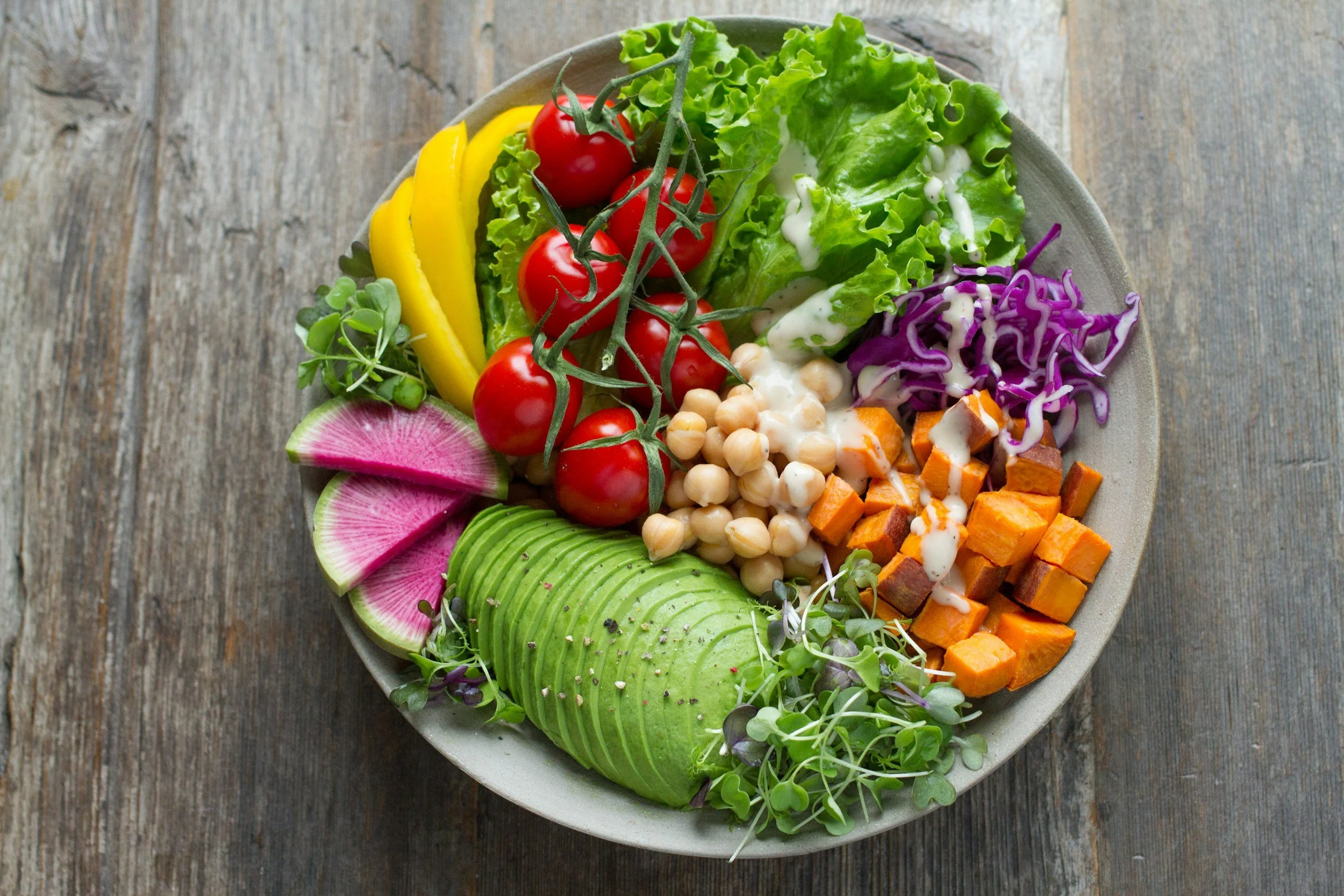
 Building nutrient stores through a diverse, whole-food diet is central to preconception care — the foundation that shapes pregnancy, postpartum recovery, and beyond.
Clinical Snapshot
The Depletion Cascade: From Preconception to Postpartum
Consider a client who enters pregnancy with low-normal ferritin (around 18 ng/mL). Over the course of pregnancy, iron demands increase substantially — fetal red blood cell production, placental tissue, and expanded maternal blood volume all draw from her stores. By the third trimester, her ferritin may have dropped to levels associated with fatigue and reduced cognitive function. Birth involves further blood loss. If she is breastfeeding, she continues to transfer iron through milk. Without targeted postpartum replenishment, she may be clinically iron-depleted for months — yet receive no specific nutritional guidance because her hemoglobin technically stays within a "normal" range.
What the client experiences
Persistent fatigue, poor concentration, low mood, reduced milk supply, slow physical recovery — often attributed to "just being a new parent."
What the nutritionist can do
Identify low preconception ferritin as a risk factor early. Develop a dietary and supplementation plan to optimize iron stores before conception — reducing the likelihood of this cascade entirely.
Practical Example
"I'm thinking about getting pregnant in the next few months. What should I be eating?"
This is one of the highest-value conversations you will have as a prenatal and postpartum nutritionist. A client who comes to you 3–6 months before trying to conceive gives you time to do something meaningful: assess her dietary baseline, identify any obvious nutrient gaps, review her supplement regimen, and help her establish eating patterns that will carry her into and through pregnancy.
Your starting questions: What does her current diet look like? Is she eating enough variety of leafy greens, legumes, animal proteins, and healthy fats? Does she have a history of dietary restriction, gut issues, or heavy periods that might have affected iron or B12 status? Has she had any relevant bloodwork recently? Is she currently taking a prenatal supplement, and if so, which one?
From there, you are building a targeted preconception nutrition plan — not a generic one-size-fits-all handout, but a client-specific strategy grounded in her actual dietary pattern and health history.
Topic 3 — Stage-Specific Nutrition Support Within Scope
Knowing what to recommend across the perinatal arc is one half of your job. The other half is knowing how to deliver that guidance — with precision, with appropriate boundaries, and in a way that genuinely serves your client without overstepping your professional scope.
This is not a bureaucratic formality. Scope of practice exists because the clients you serve are in medically significant situations. Pregnancy, postpartum recovery, and infant feeding all carry real clinical complexity. Your role as a certified prenatal and postpartum nutritionist is to be a knowledgeable, evidence-based dietary guide — not to diagnose, treat, or replace medical care. Understanding where that line sits, and how to operate confidently within it, is one of the most important professional skills you will develop.
What "Stage-Specific" Really Means in Practice
Stage-specific nutrition support means calibrating your guidance to the biological reality of where your client is right now — not just where they are in the calendar, but what their body is actually doing and what it most needs.
This requires two things: first, knowledge of the physiological processes that are dominant at each perinatal stage (which this course builds systematically); and second, the assessment skills to understand your individual client's situation within that stage. Two clients who are both 24 weeks pregnant can have very different nutritional pictures — one with excellent dietary variety and solid iron stores, one with persistent nausea, restricted intake, and a history of anemia. Stage-specific support means giving each of them what they actually need, not the same advice with the same handout.
What you bring to the client
- Understanding of trimester-specific nutrient priorities
- Practical strategies for nausea, aversions, and appetite changes
- Individualized supplement review and recommendations
- Postpartum replenishment planning that begins in pregnancy
- Infant feeding nutrition guidance as the baby grows
- Honest communication about what the evidence does and does not support
What you refer out
- Suspected gestational diabetes, preeclampsia, or hyperemesis gravidarum requiring medical management
- Interpretation of lab panels and clinical diagnosis of deficiency
- Therapeutic dosing for clinical conditions
- Mental health concerns beyond nutritional support
- Infant growth faltering or feeding pathology
- Any situation where you feel outside your competence
Building a Collaborative Practice Mindset
The most effective prenatal and postpartum nutritionists do not work in silos. They think of themselves as part of a care network — one that may include OBs or midwives, lactation consultants, pelvic floor therapists, mental health counselors, and registered dietitians. Knowing when to refer is not a limitation of your expertise; it is an expression of it.
In practical terms, this means being clear with clients from the start about what you can and cannot do, building relationships with local healthcare providers who serve the same population, and knowing your referral pathways well enough to make them feel supportive rather than dismissive. "I want to make sure you have the right support for this" is always a more useful response than trying to address something beyond your scope.
Practical Example
"My client at 28 weeks just told me her glucose challenge test came back elevated and she may have gestational diabetes. She's asking me what to eat."
This is a situation where your scope of practice and your nutritional knowledge can work together — but clarity about the boundary matters. Gestational diabetes management is a medical situation that requires collaboration with her obstetric provider, and possibly a registered dietitian with clinical diabetes experience.
What you can do: encourage her to follow up promptly with her provider for a definitive diagnosis and medical management plan. You can also educate her on general blood-sugar-supportive eating principles — prioritizing protein and fiber at meals, reducing refined carbohydrates, balancing her plate — while being clear that this general guidance is not a replacement for the clinical management she will receive from her care team.
What you document: that you encouraged medical follow-up and provided only general dietary education pending her clinical plan. This protects both you and your client.
Putting It Together: The Nutritionist as Arc-Keeper
By the end of this lesson, a central idea should be taking shape: the prenatal and postpartum nutritionist's unique value lies in seeing and serving the entire arc of a client's perinatal experience — not just isolated moments within it.
A client who comes to you during preconception can be guided into pregnancy with optimal stores and strong dietary habits. A client who comes to you at 20 weeks can receive trimester-calibrated guidance and start building her postpartum replenishment plan before birth. A client who comes to you at 6 weeks postpartum, exhausted and depleted, can receive targeted nutritional support that addresses her recovery, her mood, and her milk supply simultaneously. And the infant feeding guidance you provide in her baby's first year is the final chapter of a nutritional story that began, ideally, before pregnancy ever started.
That is the scope of this work. It is broad, it is consequential, and the families you serve will be measurably better for it.
Concept Check · Test Your Understanding
Why does the neural tube closure timing matter so much for preconception folate?
The neural tube — which becomes the brain and spinal cord — closes between days 21 and 28 after fertilization. Many people do not know they are pregnant until week 5 or 6, meaning by the time they start a prenatal vitamin, this critical developmental window has already closed. Adequate folate status must therefore already be present in the body before conception occurs. This is why a preconception supplement regimen started 3 months before trying to conceive is meaningfully different from one started at the first prenatal visit.
How does preconception iron status affect postpartum recovery?
Iron stores (reflected by ferritin) built before pregnancy serve as the reservoir the body draws from across pregnancy and postpartum. If ferritin is low before conception, the body enters pregnancy already depleted. Across pregnancy, iron demands rise substantially — fetal red blood cell production, placental tissue, and expanded maternal blood volume all compete for iron. Birth involves further blood loss. Postpartum, iron continues to be transferred through breast milk. Without adequate preconception stores and active postpartum replenishment, a client may experience iron depletion that contributes to fatigue, low mood, poor concentration, and slow recovery — even when hemoglobin levels appear technically normal.
A client asks if she needs a different diet postpartum than during pregnancy. How would you explain the key differences?
Yes — and the differences are meaningful. During pregnancy, the focus is on providing nutrients for fetal development, supporting placental function, and meeting the increased demands of the expanding maternal body. Postpartum, the priority shifts to replenishment and recovery: healing tissue, restoring depleted nutrient stores (particularly iron, zinc, and B vitamins), supporting hormonal recalibration, and — for those who are breastfeeding — maintaining the additional caloric and nutrient demands of milk production. If lactating, calorie and iodine needs are actually higher postpartum than during pregnancy. The postpartum period is often where nutrition guidance is most sparse, and it is one of the areas where a certified prenatal and postpartum nutritionist can have the greatest practical impact.
What is the practitioner's appropriate role when a client is diagnosed with gestational diabetes?
Gestational diabetes is a medical condition requiring clinical management — this falls under the scope of the client's obstetric provider and potentially a registered dietitian with clinical diabetes experience. As a certified prenatal and postpartum nutritionist, your appropriate role is to encourage prompt medical follow-up, provide general education on blood-sugar-supportive eating principles (balanced plates, fiber and protein at meals, limiting refined carbohydrates), and be clear that this general guidance does not substitute for her clinical care plan. Documenting that you encouraged medical referral is also important professional practice.
Lesson 1.1 Complete.
You now understand why the perinatal period is a single continuous nutritional arc, why preconception nutrition is the foundation that shapes everything that follows, and how to approach stage-specific guidance within a clear and ethical scope of practice. These three principles will return again and again throughout this course — and throughout your career as a certified prenatal and postpartum nutritionist with DNT Network.

❋
Companion Resource
1
Stage-Specific Recipes for the Perinatal Arc
Six complete recipes — two per stage — designed around the nutritional priorities of preconception, pregnancy, and postpartum.
2
Meal Prep Guidelines That Actually Work
Practical prep principles, a 60-minute weekly session plan, and the third-trimester freezer stocking strategy every client should know.
3
Sample One-Day Meal Plans by Stage
Three complete daily meal plans — preconception, second trimester, and early postpartum — each annotated with the nutritional logic behind every choice.
Lesson 1.1 introduced the perinatal arc — the continuous nutritional story that runs from preconception through pregnancy and into postpartum recovery. This companion translates that framework into food. Because clients do not eat nutritional principles. They eat meals — and the practitioner who can move fluidly from "folate matters in preconception" to "here is a lentil dish you could make this Sunday that covers a third of your daily folate" is the practitioner whose guidance actually changes what happens in a client's kitchen.
Everything in this section maps back to the five phases of the perinatal arc. Each recipe is tagged to its stage and annotated with the nutrients it delivers. Each meal plan reflects the stage-specific priorities Lesson 1.1 established. Use this companion two ways: as reference material to deepen your own food fluency, and as a template library you can adapt for the clients you will serve.
 The perinatal arc, translated to the plate: colorful, nutrient-dense meals built around the priorities of each stage. This companion to Lesson 1.1 of DNT Network's Prenatal & Postpartum Nutritionist Certification Course turns nutritional principles into recipes, prep systems, and meal plans.
A nutritional principle becomes real the moment it lands on a plate. Your job is to build that bridge — from the evidence to the grocery list to the meal that actually gets eaten on a Tuesday night.
Companion · Part 1
Stage-Specific Recipes for the Perinatal Arc
The six recipes below are chosen for three qualities: nutritional density matched to their stage, realistic preparation demands (nothing here requires advanced skill or more than 15 minutes of active cooking), and adaptability — each can flex for dietary preferences, budget, and household tastes. Learn them well enough to teach them.
Preconception: Building the Foundation
Preconception nutrition centers on folate stores, iron repletion, omega-3 status, and overall dietary pattern quality — building the nutrient reserves that early pregnancy will draw on before most people even know they are pregnant.
Preconception · Folate + Iron Foundation
Lemon-Garlic Lentil & Spinach Bowl
Ingredients
- 1 cup dried green or brown lentils, rinsed
- 3 cups vegetable or chicken broth
- 3 cups fresh spinach (or 1 cup frozen)
- 3 garlic cloves, minced
- 2 tbsp olive oil
- 1 tsp ground cumin
- Juice and zest of 1 lemon
- 2 cups cooked brown rice or quinoa
- 1 avocado, sliced
- Salt (iodized) and black pepper
- Optional: crumbled feta, toasted seeds
Method
- Simmer lentils in broth 20–22 minutes until tender but not mushy. Drain any excess liquid.
- While lentils cook, warm olive oil in a pan, add garlic and cumin, cook 1 minute until fragrant.
- Add spinach to the pan and wilt (2 minutes fresh; 3–4 minutes from frozen).
- Fold cooked lentils into the spinach mixture. Season with salt and pepper.
- Serve over brown rice or quinoa. Top with avocado slices.
- Finish with lemon juice and zest at the table — the vitamin C meaningfully increases iron absorption from the lentils and spinach.
Per serving: ~17g protein · ~6.5mg iron (paired with vitamin C for absorption) · ~290mcg folate — roughly half the preconception daily target from food · 14g fiber · healthy monounsaturated fat from avocado and olive oil. Teaching point: the lemon is not garnish — it is the iron-absorption strategy.
Preconception · Omega-3 + Choline
Sheet Pan Salmon with Sweet Potato & Broccoli
Ingredients
- 4 salmon fillets (fresh or thawed frozen, ~150g each)
- 2 medium sweet potatoes, cut in 2cm cubes
- 1 large head broccoli, cut in florets
- 3 tbsp olive oil, divided
- 2 garlic cloves, minced
- 1 tsp smoked paprika
- 1 lemon, halved
- Salt (iodized) and pepper
Method
- Heat oven to 200°C / 400°F. Toss sweet potato cubes with 1.5 tbsp oil, salt, and paprika on a large sheet pan. Roast 12 minutes.
- Push potatoes to one side. Add broccoli tossed with remaining oil and garlic to the pan.
- Nestle salmon fillets among the vegetables, skin-side down. Season and squeeze half the lemon over everything.
- Roast 12–14 minutes more, until salmon flakes easily and vegetables are tender.
- Serve with remaining lemon. One pan, one cleanup.
Per serving: ~34g protein · ~1,800mg combined EPA+DHA — building the omega-3 stores that early fetal brain development will draw on · vitamin D · B12 · beta-carotene from sweet potato · sulforaphane from broccoli. Teaching point: frozen salmon fillets cost roughly 40% less than fresh and are nutritionally equivalent.
 Omega-3-rich meals like baked salmon build the DHA stores that early fetal brain development draws on — one of the highest-leverage preconception food strategies taught in DNT Network's Prenatal & Postpartum Nutritionist Certification Course.
Pregnancy: Meeting Rising Demands
Pregnancy recipes prioritize the trimester-critical nutrients: iron for expanding blood volume, choline and DHA for fetal brain development, calcium, and protein — delivered in forms that work around nausea, reflux, and shifting appetite.
Pregnancy · Choline + Protein Powerhouse
Veggie-Loaded Baked Egg Cups
Ingredients
- 10 large eggs
- ¼ cup whole milk
- 1 cup frozen spinach, thawed and squeezed dry
- 1 red bell pepper, finely diced
- ½ cup grated cheddar
- 2 spring onions, sliced
- Salt (iodized) and pepper
- Olive oil or butter for the tin
Method
- Heat oven to 180°C / 350°F. Generously grease a 12-cup muffin tin.
- Whisk eggs with milk, salt, and pepper.
- Divide spinach, pepper, spring onion, and cheese among the cups.
- Pour egg mixture over, filling each cup about ¾ full.
- Bake 20–22 minutes until set and lightly golden.
- Cool 5 minutes before removing. Refrigerate up to 4 days, or freeze up to 2 months — reheat from frozen in 60–90 seconds in the microwave.
Per 2 cups: ~13g protein · ~245mg choline — over half the pregnancy AI of 450mg, from a food most prenatal vitamins skip entirely · lutein for fetal eye development · calcium · iron from spinach + vitamin C from pepper. Teaching point: these work for nauseated first-trimester clients because they are mild, cold-tolerant, and eatable in small portions.
Pregnancy · Iron + Fiber, Heartburn-Friendly
Gentle Beef & Vegetable Stew
Ingredients
- 700g stewing beef, cubed
- 2 tbsp olive oil
- 1 onion, chopped
- 3 carrots, thick-sliced
- 2 celery stalks, sliced
- 400g can chopped tomatoes
- 4 cups low-sodium beef broth
- 2 medium potatoes, cubed
- 1 cup frozen peas
- 1 bay leaf, 1 tsp dried thyme
- Salt (iodized) and pepper
Method
- Brown beef in oil in a large pot, 5 minutes. Remove and set aside.
- Soften onion, carrot, and celery in the same pot, 5 minutes.
- Return beef. Add tomatoes, broth, herbs. Simmer covered on low 90 minutes (or slow cooker: 6–7 hours low; pressure cooker: 35 minutes).
- Add potatoes; cook 20 minutes more. Stir in peas for the final 5 minutes.
- Remove bay leaf, season, serve. Note what is not here: no chili, no heavy garlic, minimal acid at the end — deliberately mild for reflux-prone third-trimester clients.
- Freezes beautifully in single portions — this doubles as a postpartum freezer meal.
Per serving: ~28g protein · ~4.5mg highly bioavailable heme iron — the most efficiently absorbed dietary iron form, critical as blood volume expands ~45% in pregnancy · zinc · B12 · fiber from vegetables. Teaching point: one cooking session produces dinner tonight plus three freezer portions for the postpartum stockpile.
Postpartum: Replenishing and Rebuilding
Postpartum recipes prioritize warmth, ease of eating (ideally one-handed), tissue-healing nutrients, and — for breastfeeding clients — the caloric density and hydration that lactation demands.
Postpartum · Healing + Warmth
Golden Chicken & Ginger Congee
Ingredients
- 1 cup jasmine or short-grain rice, rinsed
- 8 cups chicken broth (bone broth ideal)
- 2 chicken thighs, bone-in
- 5cm piece fresh ginger, sliced
- 2 garlic cloves, smashed
- ½ tsp turmeric
- Toppings: soft-boiled egg, sliced spring onion, sesame oil, a little soy sauce
Method
- Combine rice, broth, chicken, ginger, garlic, and turmeric in a large pot.
- Bring to a boil, then simmer very low, partially covered, 50–60 minutes, stirring occasionally, until the rice breaks down into a silky porridge. (Slow cooker: 4 hours low. Rice cooker with congee setting: press the button.)
- Remove chicken, shred the meat, discard bones and ginger slices, return meat to the pot.
- Serve in a bowl with a soft-boiled egg, spring onion, and a few drops of sesame oil.
- Keeps 4 days refrigerated; thin with broth when reheating.
Per serving (with egg): ~22g protein · collagen and glycine from bone-in cooking, supporting perineal and cesarean tissue healing · easily digested carbohydrate · ~700ml fluid per bowl — meaningful hydration for breastfeeding clients · anti-inflammatory ginger and turmeric. Teaching point: this is the traditional postpartum food logic of a dozen cultures rendered in one adaptable pot — warm, soft, protein-rich, and eatable with one hand while feeding a baby.
 Warm, soft, protein-rich bowls — the postpartum food logic shared by traditional cultures worldwide, and a cornerstone of the recovery nutrition framework in DNT Network's Prenatal & Postpartum Nutritionist Certification Course.
Postpartum · One-Handed Energy
No-Bake Oat & Seed Energy Bites
Ingredients
- 1½ cups rolled oats
- ¾ cup natural peanut or almond butter
- ⅓ cup honey or maple syrup
- ¼ cup ground flaxseed
- 2 tbsp chia seeds
- ⅓ cup dark chocolate chips
- Pinch of iodized salt
- Optional: 2 tbsp brewer's yeast (nutritious B-vitamin addition, popular with breastfeeding clients)
Method
- Stir everything together in one bowl until fully combined. If too dry, add a spoonful more nut butter; too wet, more oats.
- Chill the mixture 10 minutes for easier rolling.
- Roll into 20 walnut-sized balls.
- Store in the fridge up to 10 days, or freeze up to 3 months.
- Stock two or three in every snack station in the house — nursing chair, bedside table, kitchen counter.
Per 2 bites: ~7g protein · ~180 kcal of the caloric density breastfeeding demands (+500 kcal/day) · omega-3 ALA from flax and chia · iron · fiber · magnesium. Teaching point: this recipe is a third-trimester prep assignment — made before birth, frozen, and waiting for the weeks when standing at a stove is not happening.
Companion · Part 2
Meal Prep Guidelines for the Perinatal Arc
Meal prep in the perinatal context is not the influencer version — twelve identical containers photographed on a Sunday. It is a set of practical principles that lower the daily effort of eating well during a period when energy, time, and capacity fluctuate dramatically. These six principles are the foundation; teach them to clients in exactly this order of priority.
Prep Components, Not Meals
Instead of assembling complete identical meals, prep flexible building blocks: a pot of grains, a batch of protein, roasted vegetables, hard-boiled eggs. Components combine into dozens of different meals across the week and adapt to fluctuating appetite — a critical feature in pregnancy, where what sounded good on Sunday may be intolerable by Wednesday.
One Session, 60–90 Minutes, Parallel Tasks
A single weekly session using parallel cooking — the eggs boil while the soup simmers while the sheet pan roasts — produces 8–10 meal portions from about an hour of kitchen time. Anchored to the same day each week, it becomes a habit rather than a decision.
Always Cook Double, Freeze Half
Every soup, stew, or casserole made from mid-pregnancy onward should be doubled, with half going straight to the freezer in single portions. This costs almost no extra effort and quietly builds the postpartum food reserve that matters most in the first six weeks after birth.
Label Everything With Contents + Date
Masking tape and a marker: name, date, reheating note ("thin with broth"). An unlabeled freezer becomes an archaeology project by month two. Teach clients to use frozen items oldest-first and to keep a simple freezer inventory list on the door.
Match Storage to Real Shelf Life
Cooked grains and lentils: 4–5 days refrigerated. Cooked chicken and fish: 3–4 days. Hard-boiled eggs in shell: 1 week. Soups and stews: 4 days refrigerated, 3 months frozen. Cut fruit: 3 days. Teaching accurate storage windows prevents both waste and food-safety risk — the latter especially relevant in pregnancy, when listeria caution applies to long-stored ready-to-eat foods.
Scale the Plan to the Season of Life
Preconception and second trimester: full prep sessions are realistic. First trimester nausea: shrink to the minimum (hard-boiled eggs, pre-cut fruit, crackers within reach). Third trimester: shift energy toward freezer stocking. Postpartum: the prep session belongs to a partner or support person, not the recovering parent. The system flexes; the principle — lower the daily effort of eating well — stays constant.
 One 60-minute weekly session, 8–10 portions of ready nourishment: the component-based meal prep system taught in this companion lowers the daily effort of eating well across every phase of the perinatal arc.
The 60-Minute Weekly Prep Session: A Worked Example
This session uses the recipes from Part 1 and produces the components behind the meal plans in Part 3. Give clients this exact table as a starting template, then adapt it to their preferences.
| Minutes | What You're Doing | What It Yields |
|---|---|---|
| 0–5 | Start the beef stew (or lentil soup for plant-based clients) — brown, combine, set to simmer or slow cooker. Hands-off from here. | 6 servings: 3 for the week, 3 to the freezer |
| 5–10 | Set 8–10 eggs to boil (10 minutes). Set a pot of brown rice or quinoa cooking in broth. | A week of grab-and-go protein · 4–6 grain servings as meal bases |
| 10–25 | Assemble and bake the egg cups (they bake unattended for 20 minutes while you continue). | 12 egg cups: breakfasts and snacks, fridge or freezer |
| 25–40 | Sheet pan into the oven alongside the egg cups: salmon or chicken thighs + sweet potato + broccoli. | 4 protein + vegetable portions for bowls and dinners |
| 40–50 | Mix and roll the no-bake energy bites. Portion frozen berries + spinach + flaxseed into smoothie bags. | 20 energy bites · 5 smoothie packs (90-second breakfasts) |
| 50–60 | Cool, portion, label, and store everything. Peel eggs. Restock snack stations. Wipe down. | The entire week's food infrastructure in place |
The Third-Trimester Strategy
Freezer Stocking Before Birth: The Highest-Leverage Prep of the Entire Arc
Lesson 1.1 established that the postpartum phase carries intense nutritional demands at exactly the moment cooking capacity collapses. The solution is built weeks earlier: from roughly week 30 of pregnancy, every cooking session contributes something to the freezer. By the due date, the target is 15–20 frozen meal portions plus a bank of snacks — approximately two to three weeks of near-zero-effort nourishment for the hardest stretch.
What to Stock (Targets)
- 6–8 portions of soups and stews (beef stew, lentil soup, congee base)
- 4–6 portions of casseroles or baked pasta
- 12+ egg cups, frozen individually
- 20+ energy bites in a freezer bag
- 5–7 smoothie packs (fruit + spinach + flaxseed, ready to blend)
- 2–4 portions of bone broth for congee or sipping
- 1 batch of lactation-friendly muffins or breakfast cookies
How to Build It Without Burnout
- Never a marathon cook day — just double every normal dinner from week 30 onward
- One dedicated 90-minute session per week in weeks 34–38 if energy allows
- Enlist the village: a "fill the freezer" request replaces the third baby-clothes gift beautifully
- Baby shower alternative: ask guests for one frozen meal each instead of a gift
- Label every item with contents, date, and reheating instructions — the postpartum brain will thank you
- Keep a freezer inventory list taped to the door and cross items off as used
Companion · Part 3
Sample One-Day Meal Plans by Perinatal Stage
These three sample days translate the stage-specific priorities of Lesson 1.1 into complete daily eating patterns. Each is annotated with the nutritional reasoning behind every choice — because the reasoning is what you will teach, adapt, and individualize for real clients. These are illustrations of the logic, not prescriptions: swap foods freely within the same nutritional role.
 Every meal in a well-built perinatal plan occupies a nutritional role — protein here, choline there, iron paired with vitamin C. The annotated sample days below model that logic across preconception, pregnancy, and postpartum.
Sample Day 1: Preconception
Preconception · ~2,000–2,200 kcal
Building Nutrient Stores Before Pregnancy Begins
Priorities: folate · iron · omega-3 · overall pattern quality
Breakfast
Overnight oats with Greek yogurt, mixed berries, ground flaxseed, and chopped walnuts
Fiber and stable blood sugar; ALA omega-3 from flax and walnuts; calcium and protein from yogurt; berries add vitamin C and antioxidants.
Lunch
Lemon-garlic lentil & spinach bowl (Recipe 1) over quinoa, with avocado
~290mcg folate and ~6.5mg iron with vitamin C pairing — the two headline preconception nutrients in one prepped bowl.
Snack
Apple with 2 tbsp peanut butter · glass of milk or fortified plant milk
Protein-fat-fiber combination for satiety; iodine and calcium from the milk.
Dinner
Sheet pan salmon with sweet potato and broccoli (Recipe 2)
~1,800mg EPA+DHA builds the omega-3 stores early fetal brain development will draw on; vitamin D and B12 alongside.
Evening
Small bowl of Greek yogurt with honey and pumpkin seeds · prenatal vitamin with methylfolate
Zinc from seeds; the prenatal vitamin starts now, not at the positive test — the neural tube closes by week 6, often before pregnancy is confirmed.
Sample Day 2: Second Trimester of Pregnancy
Pregnancy · Second Trimester · ~2,300–2,500 kcal (+340 kcal)
Meeting the Rising Demands of Active Fetal Growth
Priorities: iron · choline · calcium · DHA · protein
Breakfast
2 veggie-loaded egg cups (Recipe 3) with whole grain toast and butter · orange juice (small glass)
~245mg choline toward the 450mg pregnancy AI; the orange juice's vitamin C boosts iron absorption from the spinach in the cups.
Snack
Smoothie from a prep pack: frozen berries, spinach, flaxseed + Greek yogurt + milk
90-second calcium, protein, iron, and folate top-up — useful on workdays and low-appetite days alike.
Lunch
Grain bowl: prepped quinoa + canned light tuna + cherry tomatoes + cucumber + olive oil and lemon
DHA within the safe 2–3 servings/week limit for canned light tuna; iodine and selenium; complete assembly meal from prepped components in 3 minutes.
Snack
Cheese and whole grain crackers · handful of dried apricots
Calcium and iodine from cheese; non-heme iron and fiber from apricots — helpful as constipation pressure rises in mid-pregnancy.
Dinner
Gentle beef & vegetable stew (Recipe 4) with crusty bread
~4.5mg heme iron — the most absorbable form — as maternal blood volume expands ~45%; deliberately mild seasoning as reflux sensitivity builds.
Evening
Warm milk with a banana · prenatal vitamin (taken at dinner if it causes morning nausea)
Calcium, magnesium, and potassium support sleep and reduce leg cramps; flexible vitamin timing improves adherence.
Sample Day 3: Early Postpartum (Breastfeeding, Weeks 2–6)
Postpartum · Breastfeeding · ~2,500–2,700 kcal (+500 kcal) · ~16 cups fluid
Recovery, Replenishment, and Lactation — With Near-Zero Cooking
Priorities: calories · fluid · iron repletion · DHA · iodine · warmth
On waking
Large glass of water + 2 energy bites (Recipe 6) during the first feed
Hydration and calories before anything else; one-handed, eatable while nursing, zero preparation.
Breakfast
2 egg cups from the freezer (90 seconds) + toast with butter + smoothie from a prep pack
Protein, choline, calcium, and fluid — a complete breakfast with under three minutes of total effort.
Lunch
Golden chicken & ginger congee (Recipe 5) with a soft-boiled egg · glass of water at the feed after
Warm, soft, collagen-rich tissue-healing food echoing traditional postpartum wisdom across cultures; ~700ml of fluid built into the bowl.
Snack
Sardines on crackers with cherry tomatoes (2-minute protein plate)
One of the most affordable DHA sources available — directly enriching milk DHA for infant brain development — plus calcium and iodine.
Dinner
Freezer beef stew (frozen during pregnancy — Recipe 4) reheated, over prepped rice
The third-trimester freezer strategy paying off: heme iron replenishes birth blood loss with zero cooking on the hardest days.
Evening / night feeds
Greek yogurt with berries and honey · energy bites and water at the nursing station · postnatal vitamin
Night feeds create real caloric deficit — planned nighttime snacks prevent the ravenous 3am kitchen raid and keep intake meeting the +500 kcal lactation demand.
Teaching the Plans, Not Prescribing Them
When you share meal plans like these with clients, frame them explicitly as illustrations of a logic, not rules to follow. Every food in each plan occupies a nutritional role — and any food that fills the same role can be swapped in. The client who dislikes salmon can meet the same DHA goal with sardines, DHA-enriched eggs, or an algae supplement. The client observing halal, kosher, vegetarian, or culturally specific patterns can fill every role within her own food tradition — which is exactly the Explore–Affirm–Add posture this course teaches.
The plan is the starting point of a conversation. The client's real life is where the final version gets written.
The Supporting Shopping List
Everything required for all six recipes and all three sample days, organized for a single shop. Approximate total: $85–$110 depending on region — covering the recipes' 20+ portions plus staples that carry into following weeks.
Companion Shopping List · All Recipes + Sample Days
Protein & Dairy
- Eggs (2 dozen)
- Salmon fillets (4, frozen fine)
- Stewing beef (700g)
- Chicken thighs (bone-in, 6)
- Canned light tuna (2)
- Canned sardines (2)
- Greek yogurt (large tub)
- Cheddar cheese
- Whole milk
- Butter
Pantry & Grains
- Dried lentils (green/brown)
- Jasmine or short-grain rice
- Brown rice or quinoa
- Rolled oats
- Peanut or almond butter
- Ground flaxseed + chia
- Canned chopped tomatoes (2)
- Broth: chicken, beef, vegetable
- Olive oil · honey
- Iodized salt · cumin · turmeric · paprika · thyme
Produce
- Spinach (fresh + 1 frozen bag)
- Broccoli (1 large head)
- Sweet potatoes (4)
- Potatoes (2) · carrots · celery · onions
- Red bell pepper · cherry tomatoes · cucumber
- Garlic · fresh ginger · spring onions
- Lemons (3) · avocados (2)
- Apples · bananas · oranges
Frozen & Extras
- Frozen mixed berries (large bag)
- Frozen peas
- Dark chocolate chips
- Walnuts · pumpkin seeds
- Dried apricots
- Whole grain bread + crackers
- Optional: brewer's yeast, feta, sesame oil, soy sauce
Practitioner Application
Turn this companion into client deliverables: extract any single recipe as a one-page handout with its nutritional teaching point; give the 60-minute prep table to any client who says "I don't know where to start"; and use the annotated meal plans as the template for the individualized plans you will build in practice. The annotation column — the why behind each food — is what distinguishes a professional nutrition plan from a Pinterest printout. Never hand a client a plan without the reasoning attached.
Companion Concept Check · Test Your Understanding
Why does the lentil bowl recipe finish with lemon at the table, and what broader principle does this illustrate for perinatal cooking?
Lentils and spinach provide non-heme iron — the plant form of iron that is significantly less bioavailable than the heme iron in meat. Vitamin C consumed in the same meal converts non-heme iron to a more absorbable form and can increase absorption severalfold. The lemon finish is therefore not a flavor flourish but an absorption strategy — and it illustrates the broader principle that perinatal cooking guidance should embed nutritional mechanisms directly into recipes rather than delivering them as separate abstract advice. A client who learns "squeeze lemon on your lentils" has absorbed the iron-vitamin C pairing principle in a form she will actually apply, and can generalize it: orange segments with a spinach salad, bell pepper in the bean chili, tomatoes alongside the hummus. Teaching through the recipe is often more durable than teaching through the lecture.
A client says she wants to meal prep but the idea of a big Sunday cooking session feels impossible with her energy levels at 9 weeks pregnant. What do you recommend?
Scale the system to the season — the sixth prep principle in this companion. First-trimester fatigue and nausea make a full prep session unrealistic for many clients, and prescribing one anyway produces guilt, not nourishment. Shrink to the minimum viable version: one single prep task per week, chosen for maximum return on minimum effort. The best candidates are hard-boiling a dozen eggs (12 minutes, almost entirely hands-off, produces a week of grab-and-go protein) or assembling smoothie packs (10 minutes of pouring frozen ingredients into bags, no cooking at all, producing 90-second breakfasts for nauseated mornings). Frame this explicitly as the complete plan for now, not a compromise: "This is your whole meal prep for this trimester — one task, once a week. When your energy returns in the second trimester, we can build from there." Then, in the second trimester, graduate stepwise toward the fuller session — and by the third trimester, redirect the energy toward freezer stocking, which is the highest-leverage prep of the entire arc.
Why is the third-trimester freezer stocking strategy described as the highest-leverage meal prep of the entire perinatal arc?
Because it moves food preparation effort from the period of lowest need to the period of highest need. In the third trimester, most clients still have meaningful cooking capacity — energy is variable but usable, and there is no newborn consuming every waking moment. In the first six weeks postpartum, the situation inverts completely: nutritional needs are at their peak (tissue healing, iron repletion after birth blood loss, and for breastfeeding clients an additional ~500 kcal/day and ~16 cups of fluid), while cooking capacity approaches zero due to recovery, sleep deprivation, and round-the-clock infant care. Every meal frozen in week 34 is a meal that requires no capacity in week 2 postpartum — effectively transferring surplus capacity across time to the moment it matters most. No other prep strategy achieves this arbitrage. It also has a compounding social dimension: framing freezer stocking as something the client's community can contribute to (meal trains, shower requests) converts goodwill into the most genuinely useful form of postpartum support available.
A client reviews the postpartum sample day and says, "I don't eat pork or beef, and congee isn't part of my food culture." How do you adapt the plan while keeping its nutritional logic intact?
This is exactly the situation the "teaching the plans, not prescribing them" principle anticipates. Identify the nutritional role each flagged food plays, then refill that role from within the client's own food pattern. The beef stew's role is highly bioavailable heme iron for postpartum blood replenishment — chicken thighs and dark poultry meat provide heme iron too, as do fish; if she is fully plant-based, the role is filled with lentils, beans, and fortified foods consistently paired with vitamin C, plus a conversation about iron monitoring with her provider. The congee's role is warm, soft, easily digested, protein- and fluid-rich comfort food supporting healing — and nearly every food culture has its own version of this: caldo de pollo, harira, chicken and rice soup, dal with rice, oat porridge with egg. Ask what warm, restorative dishes her own family tradition brings to new mothers, and build the plan around those. The nutritional architecture stays identical; the foods that fill it become hers. That adaptation conversation is not a workaround. It is the actual work of individualized perinatal nutrition support.
Lesson 1.1 Companion Complete.
You now hold the food-level translation of the perinatal arc: six stage-matched recipes with their teaching points, a meal prep system that flexes with the realities of each phase, and three fully annotated sample days that model how nutritional priorities become plates. Return to this companion throughout the course — the recipes and plans here connect forward to lactation nutrition, cultural adaptation, budget strategies, and the coaching skills of later modules. The arc is one continuous story. So is the food that carries a client through it.
❋
Key Topics in Depth
1. Nutrition Across Preconception, Pregnancy, and Postpartum

Topic Overview
Perinatal nutrition is best understood as a continuous process rather than a series of isolated stages. Nutritional status before conception directly influences pregnancy outcomes, while nourishment during pregnancy shapes postpartum recovery. When nutrition is approached as a continuum, support becomes more consistent, practical, and responsive to real-life needs.
Many clients do not identify themselves as being in “preconception.” They may describe themselves as not actively trying, thinking about pregnancy in the future, or simply living life as usual. From a nutrition perspective, this still matters, because nutrient reserves and daily eating patterns often determine how the body enters early pregnancy—sometimes before pregnancy is even confirmed.
Postpartum is also frequently misunderstood as a time to return to “normal.” In reality, it is a period of repair, replenishment, and ongoing adaptation. Nutrition demands remain high due to healing, sleep disruption, and for many clients, lactation. Viewing nutrition across all stages helps professionals avoid short-term fixes and instead support long-term well-being.
Core Concepts and Explanations
One foundational concept in perinatal nutrition is the role of nutrient reserves. Some nutrients, such as iron and certain vitamins, are stored in the body and drawn upon heavily during pregnancy. For example, a client who has experienced years of irregular meals or low iron intake may not notice issues before pregnancy, but may later experience significant fatigue or prolonged postpartum recovery. Understanding reserves helps explain why nutrition support should begin before symptoms appear.
Another key concept is that physiological demands shift across stages, often affecting how food is tolerated. In early pregnancy, a client may suddenly find that foods they previously relied on—such as vegetables or protein-rich meals—trigger nausea. Later in pregnancy, the same client may tolerate those foods again but struggle with heartburn or early fullness. Nutrition guidance must adapt to these changes rather than assuming one approach will work throughout.
A third concept is capacity-based nutrition care, which recognizes that ability often fluctuates more than motivation. For instance, a postpartum client may understand what foods support recovery but lack the time, energy, or help to prepare them. In this context, recommending complex recipes or detailed meal plans may increase stress rather than improve intake. Capacity-based care prioritizes what is feasible in the client’s current circumstances.
It is also important to understand diet quality as a pattern rather than a single day. Clients often worry that a few low-variety or convenience-based days mean they are “doing nutrition wrong.” In reality, nourishment accumulates over time. A client who eats simple, repetitive meals most days may be better supported than one who aims for perfection but eats inconsistently.
Finally, perinatal nutrition support should be stage-specific without being stage-isolated. A client does not change households, budgets, or cultural context when moving from pregnancy to postpartum. For example, a family relying on quick grocery trips and shared meals during pregnancy will likely need similar strategies postpartum, with adjustments for recovery and fatigue. Effective nutrition guidance builds on existing routines rather than replacing them at each stage.
Application to Perinatal Nutrition Practice
A continuum-based approach changes how nutrition professionals assess and guide clients. Rather than focusing solely on symptoms or isolated concerns, practitioners consider baseline intake, daily routines, stress levels, and available resources. This broader perspective supports more realistic and sustainable recommendations.
Recent research highlights why early and ongoing nutrition support matters. A 2024 study published in JAMA Network Open found declining intakes of several key nutrients—including iron and vitamins A and C—among U.S. women of reproductive age. These trends raise concerns about nutrient adequacy entering pregnancy and potential impacts on maternal and infant health.
You can read the study here: https://jamanetwork.com/journals/jamanetworkopen/fullarticle/2819809
For real-world client support, this research reinforces the value of early, food-first guidance. Waiting until later pregnancy to address nutrition gaps may limit effectiveness. Supporting consistent meals, nutrient-dense food choices, and realistic routines before and throughout pregnancy helps protect postpartum recovery and overall resilience.
Practical Implications for Client Support
Example 1: Preconception client who is not actively trying
Context: A client shares that pregnancy may happen later in the year but does not want to “start a pregnancy diet.” She often skips breakfast and relies on caffeine during long workdays.
Approach: The focus is on building simple, sustainable habits that support current energy while also strengthening nutrient reserves.
Suggested Script:
“Since pregnancy might be on the horizon, we can focus on a few foundation habits that support your energy now and later.”
“I’m not looking for big changes—just consistency. What feels easiest to adjust right now?”
“Even a simple breakfast a few days a week can make a difference. What options feel realistic for your mornings?”
Example 2: First-trimester client experiencing nausea
Context: A client at nine weeks is struggling with nausea and food aversions and feels guilty about limited food choices.
Approach: Normalize the experience and prioritize tolerable intake rather than ideal variety.
Suggested Script:
“Right now, the goal is eating what you can keep down consistently.”
“Let’s identify a few safe foods and gently pair them with something nourishing when possible.”
“This phase is temporary. We’ll expand options when your appetite allows.”
Example 3: Early postpartum client experiencing exhaustion
Context: A four-week postpartum client is breastfeeding, missing meals, and feeling depleted.
Approach: Focus on accessibility and preventing long gaps between eating.
Suggested Script:
“Your body is healing and feeding your baby at the same time. Feeling depleted makes sense.”
“Let’s set up easy snacks where you already spend time.”
“For now, simple combinations like protein plus carbs can help stabilize your energy.”
Healthy Nutrition for Pregnancy
Featured Study

King (2016). Pathways linking preconception nutrition to birth outcomes
Reference (APA):
King, J. C. (2016). A summary of pathways or mechanisms linking preconception maternal nutrition with birth outcomes. The Journal of Nutrition, 146(7), 1437S–1444S. https://www.sciencedirect.com/science/article/pii/S0022316623006600
Research summary:
This review outlines biological mechanisms connecting preconception nutrition to pregnancy and birth outcomes. Nutrient stores, hormone regulation, and metabolic function prior to conception influence how the body adapts during pregnancy. Deficiencies or imbalances can compound as pregnancy progresses. The research highlights that pregnancy increases demands on already existing systems. Nutrition is cumulative rather than reset at conception. Early nourishment supports resilience across pregnancy and postpartum.
What this means for perinatal nutrition professionals:
Perinatal nutrition professionals can use this framework to explain why early nourishment matters without using fear-based messaging. The research supports gradual, realistic support rather than urgent correction during pregnancy. Professionals can emphasize replenishment and continuity. This helps clients understand why postpartum recovery may feel harder if reserves were low entering pregnancy. It also reinforces the importance of ongoing support beyond birth. This perspective supports ethical, educational practice.
Translation to real-life consultations:
In consultations, professionals can explain nutrition as building and drawing from reserves over time. Guidance adapts as demands increase across stages. Postpartum support emphasizes rebuilding rather than “bouncing back.” Nutrition conversations remain flexible and responsive. Clients gain a clearer understanding of their experience. This supports self-compassion and sustainable care.
Topic Overview
Preconception nutrition plays a foundational role in shaping pregnancy and postpartum health, even though it is often overlooked. The body does not begin preparing for pregnancy at conception; instead, it relies on existing nutrient stores, metabolic patterns, and overall nutritional status developed over time. Understanding this helps explain why early pregnancy symptoms and postpartum recovery often reflect long-standing nutritional patterns.
Many individuals enter pregnancy without adequate nutrient reserves, not because of intentional neglect, but because preconception is rarely framed as a meaningful health stage. Clients may focus on nutrition only after a positive pregnancy test, unaware that critical development and physiological changes are already underway. This gap can contribute to fatigue, nutrient deficiencies, and greater recovery challenges later.
By recognizing preconception nutrition as a period of preparation rather than perfection, professionals can offer proactive, supportive guidance. Early nutrition support helps reduce reactive problem-solving during pregnancy and postpartum. This approach allows clients to feel supported rather than rushed into changes once challenges arise.
Core Concepts and Explanations
One central concept is that fertility and early pregnancy depend on nutritional groundwork laid months or years earlier. For example, iron, folate, and iodine status before conception influences how the body responds to pregnancy demands. A client with low iron reserves may feel relatively well pre-pregnancy but experience significant fatigue or shortness of breath once blood volume expands during pregnancy.
Another key concept is hormone regulation through consistent nourishment. Irregular eating patterns, chronic underfueling, or restrictive dieting can disrupt hormonal balance. A client who has skipped meals for years due to work demands may experience cycle irregularities or increased stress responses, which can carry into pregnancy and affect energy and recovery.
Preconception nutrition also affects nutrient storage capacity, which becomes critical during periods when intake is limited. For instance, during first-trimester nausea, the body often relies on stored nutrients. Clients who begin pregnancy with low reserves may feel the impact more acutely when intake drops.
It is also important to understand cumulative nutritional stress. Nutrition challenges often layer over time rather than appearing suddenly. A postpartum client struggling with depletion may be experiencing the combined effects of preconception gaps, pregnancy demands, and postpartum recovery—not a single missed meal or short-term issue.
Finally, early support allows for gentler, more sustainable changes. Making small adjustments before pregnancy is often easier than introducing new habits during periods of nausea, fatigue, or sleep deprivation. This shifts nutrition from crisis management to ongoing support.
Application to Perinatal Nutrition Practice
In practice, recognizing the importance of preconception nutrition changes how professionals assess risk and provide guidance. Rather than waiting for symptoms or lab results to prompt action, perinatal nutrition coaches can focus on strengthening foundational eating patterns early. Regular meals, adequate protein intake, and food choices that support micronutrient adequacy help establish resilience before pregnancy-related demands increase.
This approach is supported by research published in The Lancet. A widely cited review, “Before the beginning: nutrition and lifestyle in the preconception period and its importance for future health,” highlights that nutritional status prior to conception influences maternal health, placental development, and pregnancy outcomes. The authors emphasize that improvements made before pregnancy offer benefits that are difficult to fully replicate once pregnancy is underway.
You can read the article here:
https://www.sciencedirect.com/science/article/pii/S0140673618303118
For real-world client support, this research reinforces the value of early, low-pressure nutrition guidance. Instead of framing preconception support as urgent or restrictive, professionals can present it as a way to strengthen the body’s capacity for future demands. This perspective supports client confidence, reduces overwhelm, and promotes more sustainable nutrition habits across pregnancy and postpartum.
Practical Implications for Client Support
Example 1: Client considering pregnancy “sometime next year”
Context: A client shares that pregnancy is not immediate but possible within the next year. She eats irregularly due to work and often skips lunch.
Approach: Focus on stabilizing eating patterns without labeling changes as “pregnancy prep.”
Suggested Script:
“Even before pregnancy, regular meals support energy and hormone balance.”
“We don’t need big changes—just fewer long gaps between eating.”
“What would make lunch more realistic on busy days?”
Example 2: Client with history of low iron entering early pregnancy
Context: A newly pregnant client reports chronic fatigue and a history of low iron but no recent testing.
Approach: Educate on how preconception reserves affect current symptoms while staying within scope.
Suggested Script:
“Pregnancy increases blood volume quickly, which can make low iron more noticeable.”
“Let’s look at iron-supportive foods you already enjoy.”
“If symptoms persist, this would be a good time to check in with your provider.”
Example 3: Postpartum client frustrated by slow recovery
Context: A postpartum client feels disappointed by her energy levels and assumes she is “doing something wrong.”
Approach: Reframe recovery as cumulative and not solely postpartum-driven.
Suggested Script:
“Recovery reflects more than the last few weeks—it includes what your body carried into pregnancy.”
“This isn’t about failure; it’s about replenishment.”
“Let’s focus on rebuilding gradually rather than fixing everything at once.”

2. Why Preconception Nutrition Shapes Pregnancy and Postpartum Health
What to Eat to Prepare Your Body for Pregnancy
Improving Fertility With Nutrition And Diet One Meal At a Time
In-the-Moment Training
-
Context:
A postpartum client, three months after birth, reports persistent fatigue despite feeling like she is “doing everything right.” She is eating regularly, staying hydrated, and trying to rest when possible. She feels frustrated and discouraged because she expected her energy to improve by now. She may be caring for an infant with frequent night waking or juggling work and caregiving. This situation often reflects cumulative nutrient depletion, sleep disruption, and unrealistic recovery expectations rather than a single dietary issue.Suggestions:
Begin by validating her experience: “Many parents feel surprised by how long fatigue lasts—this doesn’t mean you’re doing anything wrong.” Explore daily routines, sleep patterns, and meal timing rather than focusing only on food quality. Ask open-ended questions such as, “When do you feel most drained during the day?” or “What meals feel hardest to get in right now?” Gently introduce the idea of nourishment as recovery support, not energy optimization. Suggest small, realistic changes, such as adding protein to snacks or prioritizing one nourishing meal per day. Encourage medical follow-up if fatigue feels worsening or unrelenting, while remaining within non-clinical scope. -
Context:
A pregnant or early postpartum client expresses concern about weight gain or returning to her pre-pregnancy body. She may be restricting food, skipping meals, or feeling guilty after eating. Social media, family comments, or cultural pressure may be influencing her beliefs. While she may not present with disordered eating, her relationship with food feels tense and fear-based. This situation is common during periods of body change and vulnerability.Suggestions:
Approach the conversation with empathy and neutrality: “It’s very common to feel conflicted about body changes during this time.” Avoid reinforcing weight-focused language and instead shift the focus toward nourishment and function. Ask questions like, “What messages are you hearing about your body right now?” or “How does eating feel emotionally for you lately?” Reframe food as support for energy, healing, and hormonal balance rather than appearance. Offer gentle education about increased needs during pregnancy or postpartum without using numbers or rigid rules. If food anxiety feels intense or escalating, encourage referral to appropriate mental health or medical support. -
Context:
A client shares that she understands nutrition basics but feels overwhelmed trying to follow recommendations. She may be juggling multiple responsibilities, limited time, financial constraints, or lack of support. Meals feel rushed or inconsistent, and she may feel embarrassed or ashamed for not “doing better.” This scenario often reflects capacity overload rather than lack of knowledge.Suggestions:
Start by normalizing the gap between knowledge and capacity: “Knowing what to do doesn’t mean it’s easy to do it right now.” Shift the conversation from ideal plans to realistic support. Ask questions like, “What feels hardest about meals right now?” or “What’s one thing that would make eating easier this week?” Help her identify low-effort options that still provide nourishment, such as repeat meals or convenience foods with added nutrients. Emphasize flexibility and permission rather than perfection. Reinforce that consistency matters more than variety during high-demand seasons of life.
Topic Overview
Providing effective perinatal nutrition support requires understanding not only what clients need at each stage, but also how to support them appropriately within a non-clinical role. Preconception, pregnancy, and postpartum each come with distinct nutritional priorities, yet the professional’s scope of practice remains constant. Knowing how to adapt guidance without diagnosing or treating conditions is essential for ethical and sustainable care.
Many nutrition-related concerns arise during moments of vulnerability, such as early pregnancy nausea or postpartum exhaustion. In these moments, clients often seek certainty, rules, or “fixes.” Without clear scope awareness, professionals may feel pressure to overstep in an attempt to help. Learning to provide supportive, evidence-informed guidance while respecting boundaries protects both the client and the practitioner.
Stage-specific, scope-safe support allows professionals to remain confident collaborators within the perinatal care team. Rather than replacing medical care, this approach complements it by focusing on education, nourishment, and realistic strategies. Clients benefit from clear guidance that feels supportive rather than overwhelming or prescriptive.
Core Concepts and Explanations
A foundational concept is the distinction between nutrition education and medical nutrition therapy. Perinatal nutrition professionals provide guidance on food patterns, meal timing, and nourishment, but do not diagnose deficiencies or prescribe supplements. For example, discussing iron-rich foods is within scope, while interpreting lab values or recommending therapeutic doses is not.
Another key concept is stage-specific prioritization. What matters most nutritionally in early pregnancy may differ from late pregnancy or postpartum. A client in the first trimester may need help simply maintaining intake, while a postpartum client may benefit from strategies that support replenishment and energy stability. Stage-specific support means adjusting focus, not expanding scope.
It is also important to understand client interpretation of authority. Clients often assume that anyone discussing nutrition has medical authority. Clear language helps prevent misunderstanding. For instance, saying “this may support your intake” rather than “this will fix the issue” reinforces appropriate boundaries.
A fourth concept is collaborative care, which includes recognizing when concerns exceed non-clinical support. Persistent symptoms, significant weight changes, or signs of nutrient deficiency warrant referral. Knowing when to pause nutrition coaching and recommend medical evaluation is a critical professional skill.
Finally, effective scope-safe practice relies on clear communication and transparency. When clients understand what you can support and when another provider may be needed, trust is strengthened. Boundaries do not reduce value; they enhance credibility.
Application to Perinatal Nutrition Practice
In real-world practice, scope-safe, stage-specific support allows professionals to respond appropriately without overreaching. For example, a perinatal nutrition coach may help a pregnant client improve dietary quality by focusing on meal timing, balanced meals, and realistic food choices, while avoiding claims about diagnosing or treating conditions such as gestational diabetes. This keeps guidance aligned with nutrition education and behavior support rather than medical management.
Evidence supports the value of nutrition education and counseling delivered during pregnancy. A systematic review published in Paediatric and Perinatal Epidemiology found that nutrition education and counseling interventions were associated with improved outcomes, including increased gestational weight gain, reduced risk of anemia in late pregnancy, higher birth weight, and reduced risk of preterm delivery (with the authors noting overall evidence quality limitations and the need for stronger study designs). https://pubmed.ncbi.nlm.nih.gov/22742611/ PubMed
For clients, this evidence reinforces why practical, food-based education can matter—even when provided outside a clinical setting—so long as it stays within scope and includes referrals when needed. For professionals, it supports a clear role on the care team: improving dietary patterns and follow-through while collaborating with medical providers for assessment, diagnosis, and treatment.
Practical Implications for Client Support
Example 1: Early pregnancy client asking for supplement advice
Context: A client at eight weeks asks, “Should I take extra iron? I feel exhausted.”
Approach: Provide education without prescribing or diagnosing.
Suggested Script:
“Fatigue is common early in pregnancy as your body adapts.”
“We can look at food sources that support iron intake and energy.”
“If fatigue feels intense or persistent, that would be a good reason to check in with your provider.”
Example 2: Late-pregnancy client concerned about weight changes
Context: A client in the third trimester worries she is “gaining too much” and asks for strict rules.
Approach: Reframe focus toward nourishment and function.
Suggested Script:
“Weight changes reflect many normal pregnancy shifts.”
“Our focus here is supporting nourishment and energy, not controlling numbers.”
“If there are medical concerns, your provider will guide that piece.”
Example 3: Postpartum client describing symptoms beyond nutrition scope
Context: A client reports extreme fatigue, dizziness, and low mood several weeks postpartum.
Approach: Support nourishment while encouraging referral.
Suggested Script:
“Nutrition can support recovery, but what you’re describing deserves medical follow-up.”
“I can help you with meals that support energy while you connect with your provider.”
“You don’t have to navigate this alone.”
3. Applying Stage-Specific Nutrition Support Within Scope of Practice
Revisit Key Terms
-
The perinatal nutrition continuum describes the idea that nutrition before pregnancy, during pregnancy, and after birth are closely connected. These stages do not stand alone. What someone eats and how well they are nourished before conception can influence pregnancy comfort, fetal development, and postpartum recovery. For example, low iron or vitamin D levels before pregnancy may show up later as fatigue, low energy, or slower healing after birth. Seeing nutrition as a continuum helps explain why postpartum challenges often have roots earlier in the reproductive journey.
For Prenatal and Postpartum Nutritionists, this concept encourages long-term thinking rather than short-term fixes. In practice, it allows professionals to help clients understand that postpartum nutrition is not “starting over,” but continuing care for the body after a major physiological event. This perspective reduces blame and frustration and supports realistic expectations. It also helps nutritionists guide clients toward steady, sustainable nourishment rather than stage-specific perfection.
-
Nutrient stores refer to the body’s reserves of essential vitamins and minerals that support pregnancy, birth, and recovery. Nutrients such as iron, calcium, folate, and vitamin B12 are often drawn from existing stores to meet increased demands. Many people enter pregnancy already depleted due to stress, restrictive eating, or limited access to nutrient-dense foods. Pregnancy and postpartum recovery can further drain these reserves, especially if nourishment is inconsistent.
In real-world practice, understanding nutrient stores helps nutritionists focus on rebuilding rather than just maintaining intake. Instead of centering conversations on what clients “should” be eating, professionals can help clients understand why they may feel depleted and how food supports replenishment over time. This approach is especially useful postpartum, when clients may feel surprised by lingering fatigue. Framing nutrition as restoration supports both physical recovery and emotional well-being.
-
Stage-specific nutrition needs acknowledge that the body’s nutritional priorities change throughout preconception, pregnancy, and postpartum recovery. Early pregnancy may focus on stabilizing energy and supporting early development, while later pregnancy increases demands for protein and minerals. Postpartum nutrition shifts toward healing, replenishment, and, for many, supporting lactation. These changes are driven by physiology, not trends or personal discipline.
For Prenatal and Postpartum Nutritionists, this concept supports flexible and responsive guidance. In practice, it helps professionals avoid overwhelming clients with too much information at once. Instead, nutrition support can focus on what matters most right now. This allows education to feel relevant and manageable, particularly during postpartum recovery when time, energy, and capacity are limited.
-
The non-clinical scope of practice defines what Prenatal and Postpartum Nutritionists can ethically and professionally offer. This includes nutrition education, general guidance, and supportive strategies, while avoiding diagnosis or treatment of medical conditions. Staying within scope protects both the practitioner and the client and supports collaboration with medical providers rather than replacing them.
In everyday work, this means focusing on food patterns, nourishment habits, and education rather than lab results or medical recommendations. Nutritionists may help clients understand how to support energy, digestion, or recovery through food, while encouraging referrals when medical concerns arise. Clear boundaries build trust and allow nutritionists to provide meaningful support without overstepping professional roles.
-
Client-centered nutrition support places the client’s lived experience at the center of care. This approach recognizes that culture, finances, energy levels, mental health, and family responsibilities all shape nutrition choices. Rather than offering rigid plans, client-centered care emphasizes listening, collaboration, and practical solutions that fit real life.
For Prenatal and Postpartum Nutritionists, this approach guides both communication and recommendations. In practice, it means adjusting guidance based on what a client can realistically do, especially during pregnancy and postpartum recovery. This style of support increases trust, reduces shame, and improves follow-through. It also reflects the reality that nourishment is not just about food, but about meeting people where they are.
👉 Knowledge Check
Module 1: Foundations of Perinatal Nutrition
Lesson 1.1 Quiz: Nutrition Across Preconception, Pregnancy, and Postpartum
Test your understanding of how nutritional needs shift across the perinatal arc, why preconception nutrition shapes everything that follows, and how to offer ethical, stage-specific guidance without overstepping your role. Several questions present real client scenarios — choose the most thoughtful, evidence-informed response.
1. Why is it important to think of perinatal nutrition as an "arc" across preconception, pregnancy, and postpartum?
✓ Correct! The arc framing reflects reality: needs evolve from preconception through pregnancy and postpartum, and each stage has its own physiology, priorities, and challenges.
✗ Not quite. Nutritional needs aren't identical, nor limited to one stage. The arc framing recognizes that each stage has its own logic and priorities.
2. Scenario: Meet Maya — Preconception
Case Study
Maya is preparing to try for a baby and asks why her nutrition matters now, before she's even pregnant. What's the most accurate response?
✓ Correct! Preconception nutrition isn't a "nice to have" — it influences fertility, hormones, nutrient stores, and even postpartum recovery. The foundation is built before pregnancy begins.
✗ Not quite. Preconception nutrition is foundational — it affects fertility, hormones, nutrient stores, and postpartum recovery. It's never "too early" or only about supplements.
3. Which of the following best describes how preconception nutrition supports fertility?
✓ Correct! Nutrition supports fertility through hormone balance, gamete (egg and sperm) health, and nutrient stores — but it's a contributing factor, not a guarantee, and it doesn't replace medical care.
✗ Not quite. Nutrition supports fertility through hormones, gamete health, and nutrient stores — but it doesn't guarantee pregnancy or replace medical care.
4. Scenario: Meet Maya — Pregnancy
Case Study
Now pregnant, Maya tells you she's exhausted by nausea, has weird cravings, and is overwhelmed by conflicting nutrition advice online. As her perinatal nutrition guide, what's your most ethical, supportive response?
✓ Correct! Compassionate, evidence-based support meets clients where they are. Validating their experience, offering practical strategies, and reframing "good enough" eating during nausea is exactly what stage-specific guidance looks like.
✗ Not quite. Forcing "perfect" eating, diagnosing conditions, or making over-confident claims about cravings all overstep. The right approach is validation, evidence-based strategies, and grace.
5. Why does nutrition during pregnancy require a different approach than nutrition before pregnancy?
✓ Correct! Pregnancy comes with shifting physiology — higher nutrient demands, energy changes, nausea, digestion shifts. Tailored, stage-specific guidance is what makes nutrition support genuinely useful.
✗ Not quite. Pregnancy nutrition isn't about restriction or following preconception rules — it's about responding to the unique physiological changes of this stage.
6. Scenario: Meet Maya — Postpartum
Case Study
A few weeks after birth, Maya is exhausted, struggling to eat regular meals, and is feeling pressure to "bounce back." What's the most appropriate, ethical response?
✓ Correct! Postpartum is a recovery phase — not a weight-loss phase. Ethical guidance prioritizes replenishment, simple accessible nourishment, and pushing back against harmful "bounce back" pressure.
✗ Not quite. Strict diets, skipping meals, and diagnosing mental health conditions are all wrong moves. The right response is reframing postpartum as recovery and supporting accessible nourishment.
7. Which of the following is OUTSIDE the scope of an ethical perinatal nutrition guide?
✓ Correct! Diagnosing deficiencies and prescribing supplements are clinical responsibilities. Nutrition guides educate, support, and refer — but they don't diagnose or prescribe.
✗ This is actually within scope. Look for the option involving diagnosis or prescribed protocols — that's what falls outside ethical scope.
8. True or False: Postpartum nutrition is just a continuation of pregnancy nutrition with no real differences.
✓ Correct! Postpartum has its own distinct logic — recovery, healing, replenishing depleted stores, supporting feeding, and navigating the realities of newborn care. It's a unique stage with unique needs.
✗ Actually, false. Postpartum has its own distinct nutritional logic, focused on recovery, replenishment, and the realities of caring for a newborn.
9. Scenario: Staying Ethical in Your Guidance
Case Study
A client asks if you can create a custom supplement protocol for her pregnancy and postpartum based on her bloodwork results. What's the most appropriate response?
✓ Correct! Interpreting labs and prescribing supplement protocols are clinical tasks. Knowing your scope and referring to a qualified provider is the most ethical and helpful thing you can do.
✗ Not quite. You don't prescribe protocols, refuse to engage, or dismiss medical data. Acknowledge it's outside scope and refer to a qualified clinician.
10. Which statement best summarizes ethical, evidence-based perinatal nutrition support?
✓ Correct! That's the heart of perinatal nutrition support — evidence-based, stage-specific, compassionate, and clear about the limits of your role. Education and respect first; referrals when needed.
✗ Not quite. Ethical perinatal nutrition support isn't about diagnosing, applying generic advice, or promoting "bounce back" culture. It's stage-specific, evidence-based, and clear about scope.
-
Nutrition matters before pregnancy even begins
What someone eats before pregnancy can affect fertility, hormones, and future health.Many people are “preconception” without knowing it
Anyone who could become pregnant benefits from supportive nutrition habits.Nutrition needs change at each stage
The body has different needs before pregnancy, during pregnancy, and after birth.Early nutrition affects later outcomes
Good nourishment early on can support a healthier pregnancy and easier recovery.Small, steady habits matter more than perfection
Simple, realistic food choices are more helpful than strict or ideal plans.You can support every stage without overwhelming clients
Clear, gentle guidance helps clients feel supported instead of stressed.
-
1) Preconception Nutrition Study
Title: Nutrition and lifestyle in the preconception period and its importance for future health
Link: https://pmc.ncbi.nlm.nih.gov/articles/PMC6075697/Summary:
This widely cited review shows that a woman’s health and nutritional status before conception strongly influence both her chances of a healthy pregnancy and her child’s health later in life. The authors summarize evidence from high-, middle-, and low-income countries demonstrating that poor diet, obesity, and inadequate nutrient reserves are common and linked to worse pregnancy outcomes. They emphasize that many women do not realize the preconception period matters because diet quality in this phase affects fertility, early embryo development, and long-term child health. This research supports why nutrition before pregnancy should be a focus even when clients are not actively trying to conceive.2) Pregnancy Nutrition Study
Title: Nutrient Intake during Pregnancy and Post-Partum: ECLIPSES Study
Link: https://pmc.ncbi.nlm.nih.gov/articles/PMC7285175/Summary:
This large study followed nearly 800 women through pregnancy and the postpartum period to compare what nutrients they actually consumed versus what is recommended. Researchers found that while most women met basic calorie and macronutrient needs, many fell far short for key micronutrients like iron, vitamin D, and folate—both during pregnancy and after birth. The findings highlight that increased nutritional demands during pregnancy and lactation are often not met by diet alone, placing women at risk of deficiencies with implications for maternal health and infant development. The results support the need for focused dietary guidance and support throughout pregnancy and into the postpartum period.3) Postpartum Nutrition Study
Title: Nutritional Status of Postpartum Mothers and Associated Risk Factors in Shey-Bench District, Ethiopia
Link: https://pmc.ncbi.nlm.nih.gov/articles/PMC9044780/Summary:
This community-based study assessed the nutritional status of 359 postpartum women within the first six weeks after childbirth. It documents that both undernutrition and overnutrition are present among mothers, and that factors like dietary diversity, breastfeeding frequency, and socioeconomic status were significantly linked to nutritional outcomes. The study illustrates that the postpartum period is a distinct stage with elevated nutritional needs and that inadequate or unbalanced diets at this time can lead to poor maternal health and nutritional risks. These findings underline the importance of targeted nutrition education and support for women after delivery. -
1. Nutrition Across the Reproductive Life Course
Stephenson, J., Heslehurst, N., Hall, J., Schoenaker, D. A. J. M., Hutchinson, J., Cade, J. E., Poston, L., Barrett, G., Crozier, S. R., Barker, M., Kumaran, K., Yajnik, C. S., Baird, J., & Mishra, G. D. (2018). Before the beginning: Nutrition and lifestyle in the preconception period and its importance for future health. The Lancet, 391(10132), 1830–1841.
https://www.sciencedirect.com/science/article/pii/S0140673618303118This landmark review synthesizes evidence showing how nutritional status before conception influences fertility, pregnancy outcomes, and long-term maternal and child health. It establishes the importance of supporting clients who may not identify as “preconception.”
2. Nutrient Needs and Physiological Adaptations During Pregnancy
Institute of Medicine & National Research Council. (2009). Weight gain during pregnancy: Reexamining the guidelines. National Academies Press.
https://nap.nationalacademies.org/catalog/12584/weight-gain-during-pregnancy-reexamining-the-guidelinesThis report reviews physiological changes and nutrient demands during pregnancy, emphasizing variability and adaptation rather than rigid targets. It provides foundational context for explaining why nutritional needs shift across pregnancy stages.
3. Continuity of Nutrition From Preconception to Postpartum
King, J. C. (2016). A summary of pathways or mechanisms linking preconception maternal nutrition with birth outcomes. The Journal of Nutrition, 146(7), 1437S–1444S. https://doi.org/10.3945/jn.115.223099
https://www.sciencedirect.com/science/article/pii/S0022316623006600This review explains biological pathways connecting preconception nutrition, pregnancy demands, and postpartum outcomes, including nutrient stores, hormonal regulation, and metabolic adaptation. It supports a life-stage continuum approach rather than isolated nutrition advice.