Module 1: Foundations of Reproductive Health (20 hrs)
IN THIS LESSON
Topics Covered:
1. What This Course Covers
Get an overview of the main topics in fertility education, cycle awareness, ovulation, hormones, lifestyle support, and preconception guidance.
2. How the Course Is Structured
Learn how the lessons, modules, and assessments are organized in this flexible, self-paced online training.
3. How This Training Prepares You
See how this course helps you build the knowledge and confidence to support clients with education, encouragement, and practical fertility-focused guidance.
DNT Network · Fertility Coach Certification · Lesson 1
Introduction to Fertility Coaching:
Foundation, Purpose, and Practice
Understanding the Role of the Fertility Coach and the Path to Confident, Evidence-Based Support
1 Why Fertility Coaching Matters
For many individuals and families, the path to conception is far from straightforward. Whether someone is just beginning to think about starting a family, navigating unexplained infertility, recovering from pregnancy loss, or exploring assisted reproductive technologies, the journey often brings with it a complex mix of hope, anxiety, medical decisions, and deeply personal questions. In many healthcare environments, clinical appointments are brief, information is dense, and emotional support is limited. People leave their doctor's office with a diagnosis, a referral, or a next step—but not always with the understanding, reassurance, or practical guidance they need to move forward with confidence.
This is precisely where fertility coaching enters the picture. Fertility coaches serve as knowledgeable, compassionate guides who help individuals and families understand their reproductive health, navigate their options, and build the practical habits and emotional resilience that support a healthy conception journey. They do not replace physicians, reproductive endocrinologists, or other licensed providers. Instead, they fill a meaningful gap in the care continuum—one that is increasingly recognized as essential to whole-person reproductive wellness.
"The fertility journey is not only a medical experience. It is a deeply human one—and every person walking it deserves both clinical excellence and compassionate, informed support."

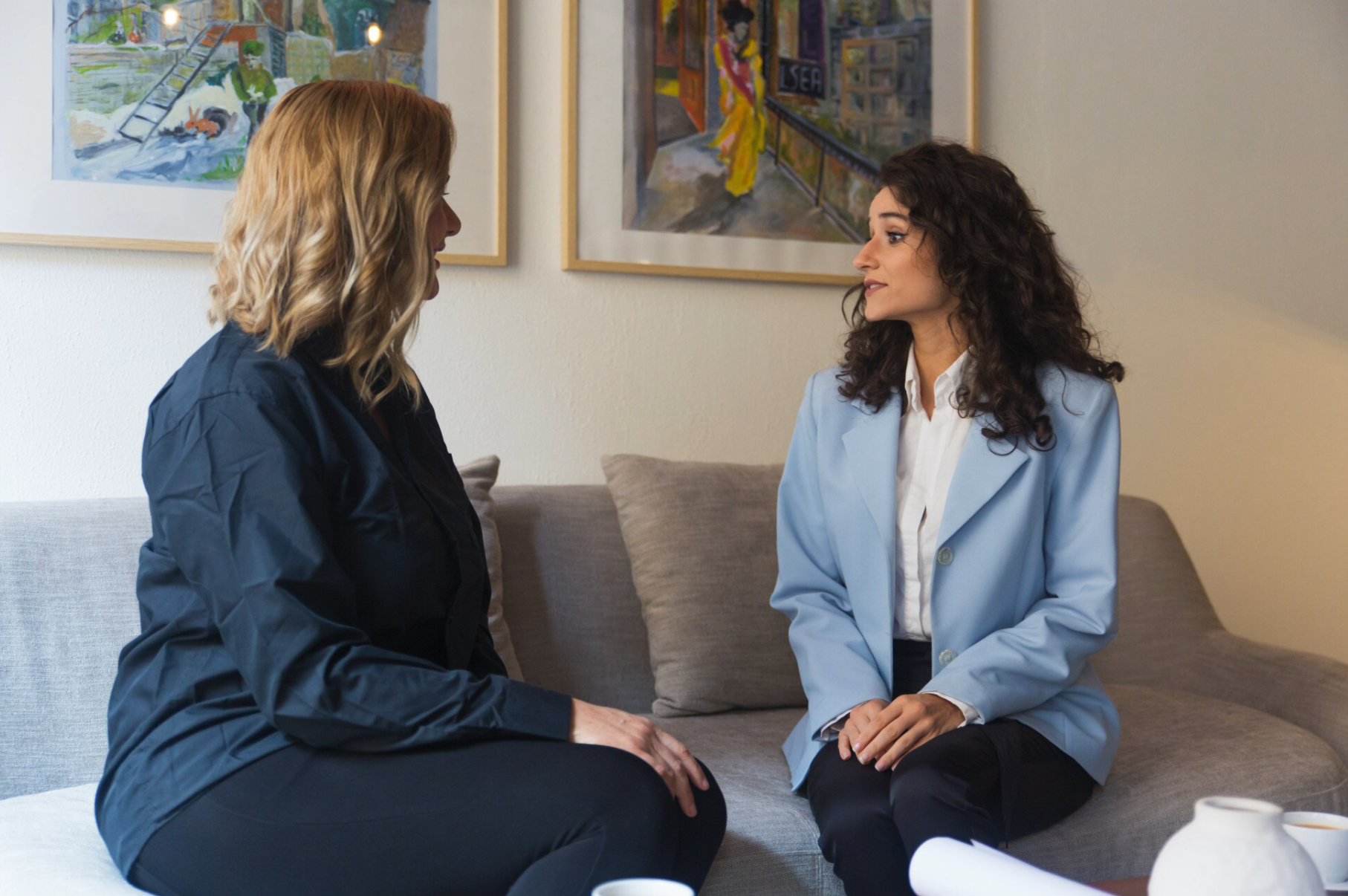
The fertility journey is as emotional as it is physical — and every step deserves informed, compassionate support.
Research confirms what many support professionals already know intuitively: psychological distress is common among people experiencing fertility challenges, and that distress has real effects on wellbeing, treatment adherence, and outcomes (Boivin et al., 2011). At the same time, access to mental health support and patient education remains inconsistent across care settings. Certified fertility coaches are positioned to address this gap—offering structured, evidence-based education and emotional support that complements medical care without overstepping professional boundaries.
The DNT Network Fertility Coach Certification Course was designed with this gap in mind. Whether you come to this training as a doula, birth worker, newborn care specialist, peer counselor, wellness professional, or someone drawn to this field from personal experience, this program provides a rigorous, accessible, and practical foundation for the meaningful work of fertility coaching.
2 What Is a Fertility Coach?
A fertility coach is a trained professional who provides non-medical education, lifestyle guidance, emotional support, and accountability to individuals and families who are trying to conceive or who wish to better understand their reproductive health. The fertility coach is not a licensed medical provider, nor does the role involve diagnosing conditions, prescribing treatments, or interpreting clinical test results as a medical professional would. Rather, the fertility coach occupies a distinct and important role: that of an educated, empathetic partner who walks alongside clients throughout one of the most significant journeys of their lives.
The Coaching Distinction
It is important from the outset to understand what separates coaching from clinical care. Medical providers assess, diagnose, treat, and prescribe. Fertility coaches educate, inform, support, and empower. This distinction is not a limitation—it is a strength. The coaching relationship is uniquely positioned to offer what clinical care often cannot: time, continuity, emotional attunement, and practical day-to-day guidance.
✔ Fertility Coaches Do
- Provide reproductive health education
- Teach and support fertility awareness methods
- Explain cycle phases and hormonal patterns
- Guide lifestyle adjustments for fertility optimization
- Offer emotional support and active listening
- Help clients prepare for medical appointments
- Provide accountability and consistent follow-up
- Refer clients to qualified professionals when appropriate
- Support clients through assisted reproductive journeys
✘ Fertility Coaches Do Not
- Diagnose infertility or reproductive conditions
- Prescribe medications or supplements
- Interpret clinical lab results as a clinician
- Recommend or manage medical treatments
- Provide therapy or mental health counseling
- Override or contradict medical provider advice
- Practice medicine, nursing, or dietetics
- Guarantee conception outcomes
A Note on Scope of Practice
Maintaining a clear and consistent scope of practice is not just a professional obligation—it is an ethical one. Clients trust you with sensitive, emotionally charged information. Staying within your role protects them from misinformation and protects you professionally. Throughout this course, you will learn how to hold this boundary with confidence, clarity, and compassion.
3 Who Does Fertility Coaching Serve?
Fertility coaching is not only for people who have been diagnosed with infertility. The scope of who benefits from fertility coaching is broad, and understanding this helps coaches identify their potential clientele and frame their services appropriately.
| Client Profile | How Coaching Helps |
|---|---|
| Individuals newly trying to conceive | Education on cycle tracking, ovulation timing, and lifestyle optimization to support conception from the start |
| Those with unexplained fertility challenges | Emotional support, fertility awareness education, lifestyle review, and guidance on navigating the medical system |
| Individuals undergoing IUI or IVF | Support during treatment cycles, preparation and recovery guidance, stress reduction strategies, and emotional processing |
| People with hormonal imbalances (e.g., PCOS, thyroid conditions) | Education on how these conditions affect fertility, lifestyle strategies, and coordination of care |
| Those who have experienced pregnancy loss | Compassionate support during grief, education about recurrent loss, and guidance on next steps when appropriate |
| Single individuals or LGBTQ+ family builders | Education on reproductive options, support navigating clinical consultations, and inclusive, affirming guidance |
| Partners and support persons | Education on male and partner-factor fertility, relationship dynamics during fertility challenges, and involvement strategies |
| Those preparing for preconception care | Nutritional and lifestyle education, supplement awareness, and understanding of preconception health goals |
This breadth reflects the true demand for fertility coaching. As a Certified Fertility Coach, you may work with clients across many of these profiles—and understanding each one will help you tailor your approach, anticipate their needs, and know when to refer them to additional professionals.
4 Fertility Coaching Within the Larger Reproductive Care Picture
Fertility coaching does not exist in isolation. It is one layer of support within a broader ecosystem of reproductive healthcare, mental health, and wellness services. Understanding how coaching fits within this ecosystem—and how to work effectively alongside other professionals—is one of the most important competencies you will develop throughout this course.
The Reproductive Care Continuum
Consider reproductive care as a continuum of services, ranging from preventive health and wellness education on one end to advanced medical intervention on the other. Fertility coaching primarily operates in the foundational and educational zone of this continuum—working with clients before, during, or after they engage with clinical care, and bridging the space between medical visits with ongoing support.
The Reproductive Support Ecosystem
- Primary Care Physicians & OB-GYNs — Provide routine reproductive health screenings, initial fertility workups, and referrals to specialists
- Reproductive Endocrinologists (REIs) — Specialists who diagnose and treat infertility, manage ART procedures including IUI and IVF
- Midwives & Doulas — Provide holistic perinatal support; doulas may expand their scope by adding fertility coaching credentials
- Registered Dietitian Nutritionists — Provide medical nutrition therapy to support reproductive health; coaches refer clients when clinical dietary intervention is needed
- Mental Health Therapists & Counselors — Address anxiety, depression, grief, and relationship stress related to infertility
- Acupuncturists & Integrative Practitioners — Offer complementary therapies that some clients incorporate into their fertility support plan
- Fertility Coaches (CFC) — Provide education, lifestyle guidance, emotional support, and accountability across the fertility journey
As a fertility coach, you are not at the top of this ecosystem, nor at the bottom. You are a vital connective layer—someone who can help clients understand and navigate the broader system, communicate more effectively with their medical providers, and maintain consistent support between clinical appointments. This positioning requires both confidence in your own role and genuine humility about its boundaries.
When to Refer
One of the most critical skills you will develop as a fertility coach is knowing when a client's needs exceed the scope of coaching and require referral. This is not a sign of inadequacy—it is a mark of professional competence and genuine care for your clients.
Referral Indicators
Consider referral to an appropriate professional when a client presents with any of the following:
- Signs of clinical depression, severe anxiety, or grief that interferes with daily functioning
- A history of pregnancy loss (especially recurrent loss) requiring medical evaluation
- Suspected hormonal imbalances or medical conditions requiring diagnosis
- A request for specific medical advice, medication guidance, or lab result interpretation
- Nutritional needs that require a registered dietitian or medical nutrition therapy
- Relationship or trauma concerns that require licensed counseling
- No conception after 12 months of trying (or 6 months if over 35), which warrants a clinical fertility evaluation
Referral is not the end of your coaching relationship—it is an expansion of the support network around your client. Many clients continue working with their fertility coach even as they engage with specialists, therapists, or nutritionists, benefiting from the continuity and coordination that coaches provide.

Fertility coaches serve as a consistent, connective thread — bridging medical appointments with ongoing education and emotional support.
5 Core Knowledge Areas in Fertility Coaching
Effective fertility coaching is grounded in a solid understanding of reproductive biology and the lifestyle, behavioral, and emotional factors that influence it. This course introduces you to each of these knowledge areas in accessible, evidence-informed depth. You do not need a medical or science background to succeed—only curiosity, commitment, and a genuine desire to support others.
The Menstrual Cycle and Hormonal Foundations
At the center of fertility education is an understanding of the menstrual cycle—not merely as a monthly occurrence, but as a dynamic, information-rich biological process. Fertility coaches must understand the four phases of the cycle (menstrual, follicular, ovulatory, and luteal), the hormones that drive each phase (including estrogen, progesterone, FSH, and LH), and how deviations from typical patterns may signal underlying imbalances that warrant medical evaluation.
This knowledge forms the basis for much of what coaches teach clients: how to recognize their fertile window, how to interpret common cycle variations, and how to approach preconception health holistically. Research by Prior and colleagues has highlighted the importance of cycle literacy as a foundation for reproductive autonomy (Prior et al., 2015).
Ovulation and the Fertile Window
Many individuals have limited understanding of when ovulation occurs, how long the fertile window lasts, or what physiological signs indicate fertility. Misunderstandings about timing are among the most common contributors to delayed conception in otherwise healthy individuals (Wilcox et al., 1995). Fertility coaches are trained to educate clients on identifying the fertile window, understanding the role of cervical mucus as a fertility biomarker, and using this knowledge practically and confidently.
Fertility Awareness Methods (FAMs)
Fertility awareness methods are evidence-based approaches to cycle tracking that use observable biomarkers—basal body temperature, cervical mucus patterns, and in some systems, cervical position—to identify fertile and infertile days within the cycle. FAMs can be used both to support conception and to understand overall hormonal health. This course covers the most widely used and validated approaches, including the Sympto-Thermal Method and the Billings Ovulation Method, equipping coaches to teach these methods accurately and responsibly.
Lifestyle and Environmental Factors in Fertility
Emerging research continues to affirm the powerful role of lifestyle in reproductive health. Nutrition, sleep quality, stress levels, physical activity, body weight, substance use, and environmental exposures all have documented effects on hormonal function, egg and sperm quality, and implantation outcomes (Gaskins & Chavarro, 2018). Fertility coaches play a unique role in translating this research into practical, personalized guidance—helping clients identify modifiable factors and make sustainable changes that support their fertility goals.
Key Lifestyle Areas Covered in This Course
- Nutritional approaches that support hormonal balance and egg quality
- The impact of stress on the hypothalamic-pituitary-ovarian (HPO) axis
- Exercise, body composition, and reproductive outcomes
- Environmental toxin awareness and practical reduction strategies
- Sleep and its role in hormonal regulation
- Supplement literacy—what the evidence supports, and when to refer to a dietitian
Emotional and Psychological Dimensions of Fertility
Perhaps the most underacknowledged dimension of fertility coaching is the emotional. Research has consistently documented elevated rates of anxiety, depression, and grief among individuals navigating fertility challenges, with distress levels in some populations comparable to those seen in serious illness (Domar et al., 1993). The fertility coach who approaches clients with empathy, psychological safety, and non-judgmental presence provides something irreplaceable—and something that has real effects on client wellbeing and treatment engagement.
This course does not train you as a therapist. It does, however, provide foundational competencies in active listening, trauma-informed communication, grief-sensitive support, and appropriate emotional boundaries. These skills will be among the most valuable you bring to your coaching practice.
Assisted Reproductive Technologies (ART): An Overview
Many clients you support will be exploring, undergoing, or recovering from assisted reproductive technologies—including intrauterine insemination (IUI) and in vitro fertilization (IVF). Fertility coaches are not ART practitioners, but an informed understanding of these processes allows coaches to provide context, reduce anxiety, and offer meaningful support throughout treatment. This course provides a clear, accessible overview of ART pathways, including what clients typically experience emotionally and physically at each stage.
6 Ethical Practice and Professional Boundaries
Ethical competence is not a peripheral topic in fertility coaching—it is foundational. Because fertility coaching intersects with vulnerable populations, sensitive health information, and decisions of profound personal significance, coaches must operate from a clear and consistent ethical framework. This course devotes meaningful attention to the ethical dimensions of the coaching relationship, equipping you to practice with integrity from day one.
Confidentiality and Trust
Clients share deeply personal information with their fertility coach—information about their bodies, their relationships, their reproductive history, and their fears. Maintaining strict confidentiality is both an ethical imperative and a professional standard. You will learn how to establish clear agreements with clients about information handling and what circumstances may require disclosure.
Non-Directive Support
Fertility coaching, at its best, is empowering—not prescriptive. While coaches provide education and guidance, they do so in service of the client's own goals, values, and decision-making authority. This means honoring each client's reproductive choices without personal judgment, whether those choices involve natural conception, IVF, donor eggs, surrogacy, adoption, or any other path.
Cultural Humility and Inclusive Practice
Fertility challenges affect individuals and families across every cultural background, identity, and life circumstance. Effective fertility coaches approach each client with humility, curiosity, and a commitment to inclusive, affirming care. This course addresses cultural competency in practical terms—including how to work sensitively with LGBTQ+ clients, clients from diverse cultural or religious backgrounds, and clients whose family-building paths differ from conventional norms.
Ethical Principles at a Glance
- Beneficence: Act in the best interest of your client
- Non-maleficence: Do no harm—know your limits and refer when appropriate
- Autonomy: Respect and support your client's right to make their own decisions
- Confidentiality: Protect sensitive information with professionalism and care
- Honesty: Be transparent about your training, credentials, and scope of practice
- Inclusion: Provide equitable, affirming support regardless of identity, background, or path to parenthood
7 About This Course: Structure, Approach, and What You Will Gain
The DNT Network Fertility Coach Certification Course is built on the belief that excellent fertility coaching should be accessible to anyone with the commitment to learn and the desire to serve. This program is beginner-friendly and designed for learners of all education levels and ages—no medical background, no prior fertility training, and no prerequisite coursework is required.
Format
100% Online & Self-Paced
Typical Completion
4–6 Weeks
Access
Lifetime, No Renewals
Enrollment
$199, No Hidden Fees
Credential
Certified Fertility Coach (CFC)
Support
Instructor Support Included
The DNT Network Curriculum Approach
Every lesson in this course is grounded in an evidence-based curriculum—meaning the information you receive is drawn from peer-reviewed research, established fertility science, and validated educational frameworks. Rather than offering unverified wellness advice or anecdotal guidance, DNT Network has built this program to reflect what the science actually supports, presented in accessible, practical language that prepares you to work confidently with real clients.
The course progresses logically from foundational concepts to applied coaching practice. Early lessons build your understanding of reproductive physiology and fertility science. Later lessons develop your coaching skills—communication, client relationship management, referral practices, and building a professional coaching approach. By the time you reach your final assessment, you will have both the knowledge and the practical frameworks to begin supporting clients with confidence.
What Students Cover Throughout the Program
Module Area 1
Foundations of Fertility & Reproductive Health
Reproductive anatomy, the menstrual cycle, hormonal pathways, and ovulation physiology
Module Area 2
Cycle Tracking & Fertility Awareness
BBT charting, cervical mucus observation, ovulation prediction, and FAM methodology
Module Area 3
Lifestyle Factors & Fertility Optimization
Nutrition, stress, sleep, exercise, environmental exposures, and supplement literacy
Module Area 4
Fertility Challenges & ART Overview
Common causes of infertility, introduction to IUI and IVF, and supporting clients through treatment
Module Area 5
Emotional Support & Client Communication
Active listening, trauma-informed practice, grief support, and compassionate communication
Module Area 6
Ethics, Scope & Professional Practice
Scope of practice, referral skills, confidentiality, inclusive care, and building a coaching practice
Ideal For
This program is specifically designed for doulas, birth workers, newborn care specialists, peer counselors, wellness professionals, and anyone drawn to supporting individuals and families on their fertility journey. If you already work in a support role and want to expand your expertise and credentials, the CFC certification integrates naturally with the services you offer. If you are new to this field entirely, this program gives you everything you need to start from a place of confidence and credibility.
Instructor Support and the Learning Experience
Learning at your own pace does not mean learning alone. Instructor support is included throughout this course, giving you access to guidance when questions arise and ensuring that you never feel unsupported in your learning journey. Most students complete the program in four to six weeks, though you are welcome to take more time—your lifetime access to all course materials means there is no pressure to rush, and no expiration date on your investment.
8 The Certified Fertility Coach (CFC) Credential
Upon successful completion of the DNT Network Fertility Coach Certification Course, you will earn the Certified Fertility Coach (CFC) credential—a professional designation that signals your commitment to evidence-based, ethical, and compassionate fertility support.
The CFC credential communicates to prospective clients, healthcare partners, and employers that you have received structured, evidence-informed training in fertility education, coaching methodology, and ethical practice. It positions you to work independently as a fertility coach, integrate fertility support services into an existing practice, or partner with healthcare providers to offer comprehensive client support.
Importantly, the CFC is a coaching credential—it certifies your ability to educate, support, and guide. It does not confer medical licensure and does not authorize medical practice. Understanding and honoring this distinction will serve you well throughout your career.
9 How This Training Prepares You for Real-World Practice
Knowledge alone does not make a great fertility coach. This course is intentionally designed to bridge the gap between understanding and doing—preparing you not just to pass an assessment, but to show up confidently and effectively in real client interactions.
Evidence-Based Knowledge You Can Trust
Every major content area in this course is anchored in peer-reviewed research and clinical best practices. This means that when you share information with a client, you are drawing from the same evidence base that informs the broader reproductive healthcare field—not from wellness trends or unsupported claims. This foundation builds credibility, protects your clients, and protects you professionally.
Practical Communication Skills
Fertility coaching is, at its core, a relationship-based practice. This course dedicates substantial attention to the communication and relational skills that make coaching effective: how to conduct an initial client consultation, how to ask good questions that reveal what a client truly needs, how to deliver difficult information with sensitivity, and how to set and maintain professional boundaries without sacrificing warmth.

Effective fertility coaching is built on genuine connection — asking the right questions, listening deeply, and showing up with both knowledge and compassion.
Clarity About When and How to Refer
One of the most practical skills this course builds is the ability to recognize when a client's needs exceed the scope of coaching—and to respond swiftly, clearly, and without overstepping. You will leave this program with a clear referral framework and the communication skills to facilitate those referrals in a way that feels supportive, not dismissive, to your clients.
Confidence to Begin
Many students who enroll in this program come with personal experience of fertility challenges, or with a professional background in support work, and a sincere desire to make a difference. What they sometimes lack is the confidence that their knowledge is sufficient, current, and trustworthy. This course provides exactly that—a comprehensive, evidence-based foundation that you can build your coaching practice upon, beginning the day you earn your credential.
What DNT Network-Certified Coaches Bring to Every Client
- Evidence-based reproductive health education
- Skilled instruction in fertility awareness and cycle tracking methods
- Practical lifestyle guidance grounded in current research
- Compassionate, emotionally attuned support
- Clear professional boundaries and ethical practice
- The ability to identify when referral is needed and facilitate it smoothly
- An inclusive, affirming approach to all family-building paths
10 Looking Ahead: Your Fertility Coaching Journey Begins Here
This first lesson has introduced you to the foundational ideas that will shape everything you learn in the lessons ahead. You now have a clearer picture of who fertility coaches are, what they do, where they fit within the broader reproductive care landscape, and why this work matters so deeply to so many individuals and families.
You have also been introduced to the scope and structure of this DNT Network certification program—the curriculum areas you will explore, the credential you will earn, and the evidence-based approach that gives this training its depth and credibility.
As you move forward through this course, keep in mind that fertility coaching is more than a skill set. It is a form of service that asks you to bring your best self—your knowledge, your compassion, your humility, and your commitment to staying within your scope—to clients who are navigating one of the most important and often challenging chapters of their lives. The training ahead will prepare you for exactly that.

Certified Fertility Coaches help individuals and families move forward with knowledge, clarity, and genuine support at every stage of the journey.
"Every person who comes to a fertility coach is carrying a dream. Your role is to help them carry it with more knowledge, more hope, and more support than they had before."
Proceed to Lesson 2, where we will begin our in-depth exploration of the menstrual cycle, reproductive hormones, and the physiological foundations of conception.
References
The following peer-reviewed sources support the content presented in this lesson. Students are encouraged to explore these references to deepen their understanding of the evidence base underlying fertility coaching practice.
-
Boivin, J., Bunting, L., Collins, J. A., & Nygren, K. G. (2011). International estimates of infertility prevalence and treatment-seeking: Potential need and demand for infertility medical care. Human Reproduction, 22(6), 1506–1512.
https://doi.org/10.1093/humrep/dem046 -
Domar, A. D., Zuttermeister, P. C., & Friedman, R. (1993). The psychological impact of infertility: A comparison with patients with other medical conditions. Journal of Psychosomatic Obstetrics & Gynaecology, 14(Suppl.), 45–52.
https://doi.org/10.3109/01674829309084420 -
Gaskins, A. J., & Chavarro, J. E. (2018). Diet and fertility: A review. American Journal of Obstetrics and Gynecology, 218(4), 379–389.
https://doi.org/10.1016/j.ajog.2017.08.010 -
Prior, J. C., Naess, M., Langhammer, A., & Forsmo, S. (2015). Ovulation prevalence in women with spontaneous normal-length menstrual cycles – A population-based cohort from HUNT3, Norway. PLOS ONE, 10(8), e0134473.
https://doi.org/10.1371/journal.pone.0134473 -
Wilcox, A. J., Weinberg, C. R., & Baird, D. D. (1995). Timing of sexual intercourse in relation to ovulation: Effects on the probability of conception, survival of the pregnancy, and sex of the baby. New England Journal of Medicine, 333(23), 1517–1521.
https://doi.org/10.1056/NEJM199512073332301 -
Frederiksen, Y., Farver-Vestergaard, I., Skovgård, N. G., Ingerslev, H. J., & Zachariae, R. (2015). Efficacy of psychosocial interventions for psychological and pregnancy outcomes in infertile women and men: A systematic review and meta-analysis. BMJ Open, 5(1), e006592.
https://doi.org/10.1136/bmjopen-2014-006592 -
Cousineau, T. M., & Domar, A. D. (2007). Psychological impact of infertility. Best Practice & Research Clinical Obstetrics & Gynaecology, 21(2), 293–308.
https://doi.org/10.1016/j.bpobgyn.2006.12.003
-
1. Fertility coaches provide education and support.
This role helps individuals and families better understand fertility, conception, and healthy habits that may support their goals.2. Fertility support involves many different factors.
This course introduces the physical, emotional, and lifestyle-related areas that can affect the fertility journey.3. This training is designed to help you support clients with confidence.
You will build a strong foundation in fertility coaching so you can offer informed, compassionate, and practical guidance.