Module 1: Foundations of Pediatric Sleep Science and Development — 16 Hours
Module 1 · Lesson 1.1 · Pediatric Sleep Consultant Certification
A pediatric sleep consultant's first job is judgment, not a sleep method.
Before you change a child's bedtime, you need to know if sleep coaching is the right help. This lesson shows you how to decide. It also covers the limits of your role that keep children, families and you safe.
Define the roleMap the care teamHold the scope lineRefer with confidence

01 · Opening case
The 9:47 p.m. message
Many consultations start like this: a worn-out parent, late at night, asking for the fastest fix. How you respond shows whether you are a true professional or just someone selling a method.

"Theo is 3½ and bedtime takes 90 minutes every night. He calls out, gets up, and ends up in our bed by 2 a.m. My partner works nights so it's mostly me. He snores like a little old man, it's honestly kind of funny. His preschool teacher says he's 'unfocused.' Can you sleep train him? I'll pay for your fastest package."
ChildTheo, 3 years 6 months
Main complaint90-minute bedtimes, night wakings
HouseholdPartner on night shifts
Easy to missNightly loud snoring; daytime attention concerns
At first, this looks like a simple habit problem. Theo stalls, calls out and ends up in his parents' bed. Many consultants would just sell a package. But two details matter more: loud snoring every night and a teacher who says he can't focus.
Plain language: habitual snoring
Habitual snoring means a child snores on most nights, usually three or more nights a week. It is not just a funny noise. It can mean the child's airway is partly blocked during sleep, so he gets poor-quality sleep even when he's in bed long enough.
When a young child snores most nights and has trouble with focus or behavior during the day, a doctor should check him. A blocked airway can't be fixed with a new bedtime routine.
You'll meet Daniela and Theo again later in the lesson. For now, pick your first move.
Activity 1 · Decision poll
First instinct
Pick what you would do first. There is a best answer, and we'll explain why.
Daniela wants the fastest package. Your first move?
02 · The role
What a pediatric sleep consultant actually does

A helps families improve sleep for children from about 12 months through 18 years. The work is , which means you don't diagnose or treat health problems. You look at sleep patterns, teach families about sleep, and coach them through changes to habits and the bedroom. You support them when things get hard, and you send them to other experts when needed.
The job is not about knowing the most sleep-training methods. Methods are the easy part. Your real value is good judgment. Is this a habit problem? Which approach fits this child and family? Is the family ready? And is coaching even the right help?
Families usually call for one of five reasons: long bedtimes, night wakings, early rising, nap changes, or a sleep schedule that doesn't fit school or family life. In every case, first check that the problem they describe is the real problem.
Six core functions
1
Assess
Gather sleep history, sleep diaries, routines, environment and family context.
2
Screen
Ask set questions that spot health, emotional or safety warning signs.
3
Educate
Explain sleep needs and the reasons behind each recommendation, in plain language.
4
Coach
Help caregivers choose and carry out a behavioral approach that fits their child and values.
5
Plan and follow up
Write the plan, track progress, troubleshoot, and adjust or stop when needed.
6
Refer
Send the family to the right expert with a clear reason, and stay within your role.
Why the age span changes the job

With babies, you coach the parents. After age 1, the child joins in. They have opinions, fears, bargaining skills, and later, a phone. That changes the work in three ways:
- You coach two people. From about age 4, plans work better when the child helps make them, for example with sticker charts, a "bedtime pass" or choosing the order of the routine.
- There are more possible causes. Fears, worry, school schedules, screens, activities and early puberty can all affect sleep.
- The warning signs change. As children get older, you're more likely to see snoring with focus problems, sleepwalking, long-lasting trouble falling asleep, low mood, or safety concerns.
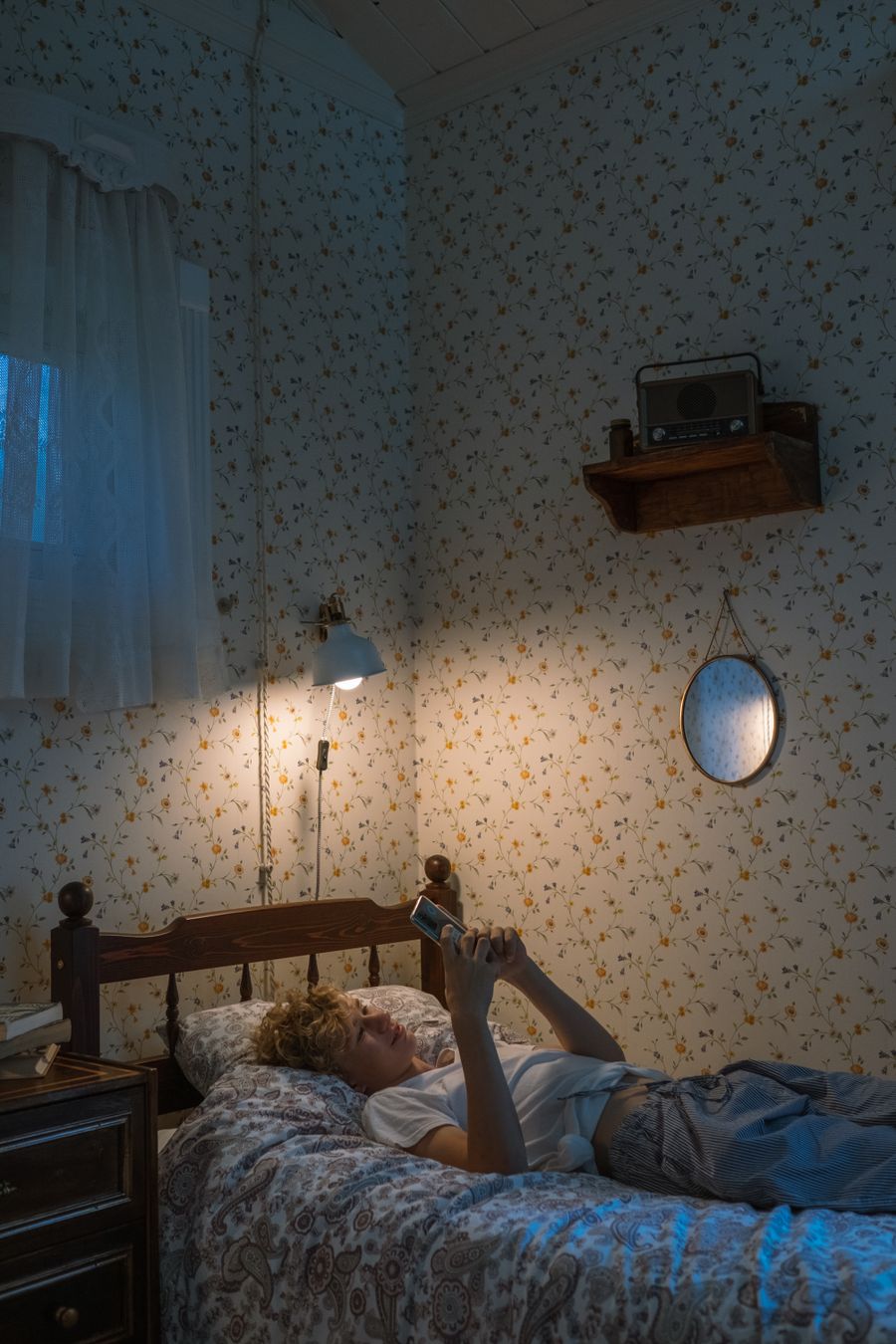
With teenagers, this shift is complete. If a parent forces a plan on a 15-year-old, it rarely lasts. You coach the teen directly and help the parents step back. You also watch for signs that poor sleep is part of a bigger problem, like low mood, anxiety or a safety concern, that needs a doctor or therapist.
WatchA children's hospital sleep team explains the problems they diagnose and treat, from trouble sleeping to breathing problems at night. Listen for: where their medical work ends and yours begins. These are the experts families reach when you refer them, usually through their pediatrician. Open on YouTube
03 · The care team
Who does what around a child's sleep

You are part of a team that many families don't know exists. When you know what each expert does, your referrals are clear ("Please ask Theo's pediatrician about his snoring") instead of vague ("Maybe see a doctor?").
A simple rule: if it needs an exam, a test, a diagnosis, medicine or therapy, it belongs to someone else. Your part is teaching, coaching habits, improving routines and the bedroom, and supporting families between doctor visits. Busy doctors rarely have time for that.
| Professional | What they do | When a consultant refers or collaborates |
|---|---|---|
| Pediatrician / family doctor | Medical evaluation, growth, development, medications, first-line referrals to specialists | Snoring, breathing pauses, pain, reflux, eczema, constipation, medication questions, supplement questions, unusual night events, any new symptom |
| Sleep medicine physician | Diagnoses and treats sleep disorders; orders and interprets | Usually through the pediatrician: possible sleep apnea (breathing stops during sleep), narcolepsy (sudden sleep attacks), extreme daytime sleepiness, unusual night events like frequent sleepwalking |
| ENT (ear, nose and throat) specialist | Checks the airway, tonsils and adenoids (tissue at the back of the nose) | Via the pediatrician when snoring or mouth breathing suggests an airway problem |
| Psychologist / | Diagnoses and treats ongoing trouble sleeping (insomnia), anxiety and other conditions with talk therapy, including a proven therapy for insomnia called CBT-I | Persistent insomnia, especially in school-age children and teens; anxiety-driven sleep problems; suspected trauma |
| Psychiatrist / child mental health team | Diagnoses and treats mental health conditions, including with medication | Low mood, self-harm statements, severe anxiety, emerging serious mental illness, usually urgently |
| Occupational therapist | Sensory processing, daily living skills, routines for children with disabilities | Bedtime problems caused by sensitivity to touch, sound or light; building routines together for autistic children |
| Infant sleep consultant | Non-clinical sleep support for 0–12 months | Siblings under 12 months, unless you hold both credentials |
| Teachers, school counselors, childcare providers | Daytime observation, school-based support | With caregiver consent: aligning nap schedules, sharing daytime observations |
WatchA psychologist explains how therapists treat sleep problems, including CBT-I, a talk therapy for insomnia. Listen for: how their role (diagnosis and treatment) differs from yours (teaching and coaching). Open on YouTube
Activity 2 · Referral matcher
Who handles this?
For each situation, choose who should take the lead. Some answers include you.
A 4-year-old snores most nights and his mother has seen him gasp and stop breathing briefly.
A healthy 2-year-old with no red flags wakes twice a night and needs rocking back to sleep. Parents want help.
A 13-year-old has lain awake for over an hour most nights for four months, worrying about school and "everything."
An autistic 6-year-old melts down at bedtime over pajama textures, sheet seams and the sound of the fan. His team already includes a pediatrician.
A parent asks you how much melatonin to give her 7-year-old, and whether to switch brands.
A 9-year-old's bedtime has drifted from 8:30 to 10:15 p.m. because of tablet use and late soccer practice. He's tired but otherwise well.
04 · Boundaries
Scope of practice: in, out, and the gray zone

Your is what you are trained and allowed to do. Staying inside it isn't being timid. It makes sure children get a diagnosis when they need one, keeps families from being falsely reassured, and protects your business from legal risk.
Crossing the line usually isn't dramatic. It's often one sentence, like "That's probably just reflux," "He doesn't need to see anyone," or "Give her a little melatonin." Each one sounds helpful, but each one goes too far.
In scope
- Sleep education for parents and children
- Assessing routines, schedules, environment and sleep diaries
- Screening questions to notice red flags
- Coaching behavioral strategies for
- Written plans, follow-up and troubleshooting
- Referral and, with consent, collaboration
Gray zone: proceed with care
- Children with a diagnosed condition: coach only after their doctor agrees
- Families waiting to see a doctor: offer only (simple, safe steps while they wait)
- Teens whose mild stress affects sleep: coach, and watch closely for mood changes
- Questions about supplements: share general facts only, then send them to the doctor
Out of scope
- Diagnosing any condition (sleep apnea, insomnia disorder, ADHD, anxiety)
- Recommending, dosing or adjusting medications or supplements
- Interpreting sleep studies or lab results
- Providing therapy for mental health conditions
- Contradicting a clinician's advice
- Guaranteeing results
Why "non-clinical" is a strength
A doctor may have 15 minutes with a family. You can look at the whole evening. You notice the tablet at 9 p.m. and the 4 p.m. nap in the car, and you support the family through the hard first week. That is your expertise. When you respect your limits, doctors trust you and send families to you.
Activity 3 · Flip cards
Scope-safe language
Each card shows something a well-meaning consultant might say. Flip it to see a better version that stays within your role and is still warm and helpful.
Activity 4 · Triage
Scope Sorter
Sort each request. Coach = you can help now. Refer, routine = they need a doctor soon, and you can offer safe steps while they wait. Refer, urgent = they need care today or emergency help. Decline = this isn't something you do.
"My 4-year-old asks for water, another story and one more hug every night. Bedtime takes an hour."
"Last night my 2-year-old's lips looked bluish and she seemed to be struggling to breathe in her sleep."
"My 8-year-old started sleepwalking last month. Sometimes he does the same strange hand movement every time."
"Can you look at my son's sleep study report and tell me if the numbers are bad?"
"My 14-year-old can't sleep, and last night she told me she wishes she could just disappear forever."
"My 15-month-old fights her morning nap and then is a mess by dinner. Is it time for one nap?"
"My 7-year-old says his legs feel 'creepy' at night and he has to move them. He kicks all night."
"The doctor wants a sleep study but I think it's overkill. Can you write a letter saying he doesn't need one?"
05 · Judgment
The referral mindset and the Four-Gate Check

Sometimes poor sleep is the problem. Other times it's a sign of another problem. Think of a child kept awake by itchy skin, tummy pain, a blocked airway, or a worry he can't put into words. No sleep method will fix that. Treating his distress as a bad habit could even make things worse.
So in every case, ask "What else could explain this?" before you ask "Which method?" DNT Network teaches this as the Four-Gate Check. Go through the gates in order. Start coaching only after all four.
1
Safety
Is anyone at risk right now?
Breathing trouble, injury, self-harm statements, disclosure of abuse
Stop: act today2
Medical signals
Could a health problem be driving this?
Snoring, pauses, pain, itch, reflux, leg discomfort, unusual night events
Refer before intensive coaching3
Emotional and family signals
Is distress, trauma or family crisis central?
Persistent worry, low mood, recent trauma, parent in crisis
Refer or coordinate4
Fit and readiness
Is this behavioral or environmental, and is the family ready?
Clear goals, capacity, caregivers aligned
Go: coachRefer and keep helping. A referral at Gate 2 or 3 doesn't mean "stop everything." You can still help with safe basics: a steady wake-up time, a calm wind-down, a better bedroom, and a sleep diary to show the doctor. Bigger changes wait until the doctor weighs in.
Routine versus urgent red flags

A is a warning sign, not a diagnosis. It tells you to bring in someone who can find out what's wrong. You'll study warning signs fully in Module 5. For now, learn the two speeds: routine and urgent.
Ask about these in your first meeting: "Does she snore? How many nights a week? Have you seen her stop breathing or gasp? How is she during the day?" A simple checklist called BEARS helps you cover everything. It stands for Bedtime problems, Excessive daytime sleepiness, Awakenings at night, Regularity and duration of sleep, and Snoring. You'll practice it in Lesson 1.5.
Routine referral (days to weeks)
- Snoring on most nights, especially with mouth breathing or restless sleep
- Snoring plus daytime attention, behavior or learning concerns
- Leg discomfort or an urge to move the legs at night
- Sleepwalking or night terrors that happen often, start after age 6, or involve the same movement every time
- Very sleepy during the day, even with enough time in bed
- Itch, pain, reflux, constipation or a cough that wakes the child
- Ongoing worry, sadness or refusing school, along with sleep problems
- New bedwetting after a long dry period
Urgent: same day or emergency
- Struggling to breathe, color change (blue or gray lips), or long breathing pauses
- A seizure, or an event with stiffening, jerking or unresponsiveness
- An injury during a night event
- A child or teen talking about self-harm, suicide or not wanting to be alive
- A child says they're being hurt, or there are strong signs of abuse or neglect
- A caregiver saying they might harm themselves or the child
Urgent means now
For an urgent warning sign, don't wait for your next call. Tell the family clearly to contact emergency services or a crisis line (in the US, 911 or the 988 Suicide & Crisis Lifeline). Follow your child-safety procedure, and write down what you said and when.
WatchAn ear, nose and throat (ENT) doctor explains the signs of snoring and sleep apnea in children. Listen for: daytime signs parents may mention without linking them to sleep. Your job is to notice and refer, not to diagnose. Open on YouTube
06 · Research literacy
Evidence-informed practice and misleading sleep claims

means using three things together: the best research, your own professional judgment, and the family's values and situation. Research alone can't tell you what to do for Theo. But if you ignore research, you'll just repeat whatever was popular last year.
In children's sleep, many bold claims go beyond what the research shows. Parents hear that a method "works for every child," that a product "fixes sleep," or that a common approach "harms the parent-child bond." When you can explain what research really says, and what it doesn't, families trust you more than any ad.
Not all sources are equal
Strongest
Reviews of many studies, and expert panel guidelines. They combine many studies into one answer. Example: expert advice on how much sleep children need at each age.
Strong
Randomized controlled trials. Children are randomly put in groups so one approach can be fairly compared with another. Example: trials testing different sleep-training methods.
Useful
Observational studies. Researchers follow children over time and see what tends to go together. They can't prove that one thing causes another.
Limited
Expert opinion and personal experience. Useful, but easily influenced by personal bias.
Weakest
Reviews, influencer posts and ads. Interesting, but not evidence.

Four questions to ask about any claim
- Who was studied? Most of the best sleep-training research was done with babies and young children. Using it for a 10-year-old or a teen takes careful thought.
- Compared with what? "Children slept better" means little unless they were compared with children who didn't get the method.
- What was measured, and for how long? Falling asleep faster after two weeks is not the same as being happy and healthy at age six.
- Who gains from the claim? Be careful when the source is selling the product or program.
What the research supports
Research shows several methods help young children with bedtime problems and night waking. Examples include:
- Timed check-ins: the parent checks on the child at set, gradually longer times.
- Parent-in-the-room methods: the parent stays nearby and slowly moves farther away over many nights.
- Calm, positive bedtime routines.
- Bedtime fading: starting with a later bedtime when the child is truly sleepy, then moving it earlier bit by bit.
Studies that followed children for years found no long-term harm to their emotions or to the parent-child bond from methods like these. Still, families feel differently about each method, and that matters too. You'll study each one in Module 3.
WatchA children's sleep psychologist explains how much sleep kids need at each age. Listen for: how she gives ranges, not exact numbers. That's how to talk to parents about sleep needs. Open on YouTube
Activity 5 · Evidence literacy
Claim Check
A parent sends you these claims she found online. Which are backed by research, and which are misleading?
"This sleep method works for every child, every time."
"Preschoolers aged 3–5 generally need about 10–13 hours of sleep in 24 hours, including naps."
"Melatonin is natural, so you can't really give a child too much."
"Every child has a sleep regression at exactly 18 months and 2 years."
"Regular snoring in a child, especially with daytime behavior or attention problems, should be checked by a doctor."
"Research proves that any sleep training causes lasting emotional damage."
07 · Who you serve
Child- and family-centered practice

starts with a simple fact. You spend a few hours with the family, but they live with the plan every night. A perfect plan that doesn't fit their values, schedule or stress level will fail.
Informed choice, not prescription
Offer . Give two or three good options. Be honest about each one: how fast it works, how much the child may protest, how much effort it takes, and how well it fits their values. Then let the parents choose. Your advice matters, but the choice is theirs. If you think an approach is unsafe for this child, you can say no, and explain why.
The child's voice, by age
- 1–3 years: predictable routines, simple choices ("blue pajamas or green?"), comfort objects.
- 3–6 years: picture charts, a say in the order of the routine, simple rewards, storybooks about sleep.
- 7–12 years: explaining why sleep matters, shared goals, self-tracking with a simple diary.
- 13–18 years: the teen sets the goals and you coach. Parents step back. You keep the teen's privacy, unless their safety is at risk.
Cultural humility in sleep practice

Sleep customs differ around the world. In many families, young children share a bed or room with parents, grandparents handle bedtime, and dinner is late. means you ask about these customs with curiosity. You don't treat your own habits as the right way. You build plans that work with the family's choices, unless they want to change them.
In practice:
- Ask "How does sleep usually work in your home?" before suggesting changes.
- Include every adult who helps at bedtime.
- Offer materials in the family's language when you can.
- Never shame a choice that is safe for the child's age.
Informed consent, plainly
means parents understand, before you start:
- what you will and won't do
- their options and what to expect, including a few hard nights
- the cost
- how you store and share their information
- that they can stop at any time
Older children and teens should also agree to the plan in their own words.
WatchA children's hospital pediatrician introduces , a way of talking that builds trust and helps parents find their own reasons to change. Listen for: how he asks, listens and reflects instead of lecturing. Use the same skills when a tired parent feels judged or stuck. Open on YouTube
08 · Responsibility
Professional responsibility and ethics

Families share private details with you: their child's behavior, their relationship, their exhaustion, sometimes their mental health. Acting professionally is how you keep their trust. You'll study ethics fully in Module 6. These six rules apply from your very first client.
C
Confidentiality and consent to share
Keep client information private. Share it with schools, doctors or the other parent only with written permission, unless safety or the law requires it.
D
Documentation
Write down what the family told you, your screening questions and answers, your advice, any referrals, and how the family responded.
S
Know the signs of abuse and neglect, and the reporting rules where you work. Write down your steps before you ever need them.
H
Honest claims
Never guarantee results or make medical claims. Don't present your best success stories as typical. Describe your credential accurately.
I
Conflicts of interest
Tell families if you earn money from a product you mention. Only recommend products that truly help the child.
K
Know your limits
Turn down or refer cases beyond your training. If you're no longer the right help, end services and refer the family on.
A test for any decision
Ask yourself: "If this child's pediatrician read my notes, would they trust me with the next family?" If not, maybe because you guessed at a diagnosis, waited too long to refer, or promised too much, rethink your decision.
09 · Applied practice
Consultation simulation: Daniela and Theo

A good first consultation follows five steps. You'll learn each step fully in Module 6. Here, you'll practice the key decisions.
Connect
Show you hear how tired they are. Ask if you can learn the full story.
Assess
Ask about nights, days, routines, the bedroom and family life.
Gate check
Safety, medical, emotional, then fit and readiness.
Plan together
Offer options, agree on next steps, refer where needed.
Follow up
Agree when you'll check in and what will be tracked.
Activity 6 · Branching dialogue
The discovery call
You're on a 30-minute first call with Daniela. At each step, choose your reply. You'll see how it affects her trust in you, and whether you stayed within your role.
Daniela
Call complete
0Best-practice choices
0Family trust (out of 12)
0Scope breaches
10 · Practitioner tool
Role and Referral Reference Card
Keep this card next to you during every intake and discovery call. It condenses the lesson into the decisions you make in real time. Print it or save it as a PDF.
Role and Referral Reference Card
DNT Network · Pediatric Sleep Consultant · Ages 1–18
I coach
- Bedtime stalling and resistance
- Night wakings needing a parent
- Early rising and schedule drift
- Nap transitions
- Routines, environment, screens
- Caregiver consistency
I refer: routine
- Snoring most nights, mouth breathing
- Snoring + attention or behavior concerns
- Leg discomfort, kicking all night
- Frequent or new-onset night events
- Pain, itch, reflux, cough at night
- Persistent worry or low mood
- Any medication or supplement question
Urgent: act now
- Breathing difficulty, color change
- Seizure-like events
- Injury during the night
- Self-harm or suicide statements
- Signs or disclosure of abuse
- Caregiver at risk of harming self or child
Four-Gate Check
- Safety: anyone at risk now?
- Medical: could health explain this?
- Emotional and family: distress, trauma, crisis?
- Fit: behavioral, and family ready? → Coach
Referral script
"Some of what you've described, especially [specific sign], is something I always ask families to check with [professional], because only they can examine and test for it. In the meantime, here's what we can safely work on… I'll write a short summary for you to take with you. Can we check in after your appointment?"
Scope-safe phrases
- "That's a question for her doctor."
- "I'm noticing… I'd like a clinician to look at that."
- "Many families see change in 1–2 weeks; we'll track it together."
Always document
- Red flags asked about and answers
- Referral made: to whom, why, date
- Family's decision and next check-in
11 · Into practice
Carry these into your next consultation
- 1Judgment before method. Decide whether coaching is the right help before choosing how to coach.
- 2Run the four gates every time. Safety, medical, emotional and family, then fit. The details people mention in passing ("he snores, it's funny") are often the important ones.
- 3Refer specifically. Name the sign, the professional and the reason, and offer parallel support where it's safe.
- 4Speak inside your scope. Notice, describe and refer. Never diagnose, dose or guarantee.
- 5Offer informed choice. Give honest options, respect family values and culture, and include the child's voice for their age.
- 6Write it down. Screening, referrals and decisions belong in your notes, every time.
12 · Knowledge check
Ten scenario questions
Each question is a decision you could face in practice. Answer all ten to see your score. Aim for 8 or more.
13 · Sources
References
- Paruthi S, Brooks LJ, D'Ambrosio C, et al. Recommended amount of sleep for pediatric populations: a consensus statement of the American Academy of Sleep Medicine. J Clin Sleep Med. 2016;12(6):785–786. doi:10.5664/jcsm.5866
- Mindell JA, Kuhn B, Lewin DS, Meltzer LJ, Sadeh A. Behavioral treatment of bedtime problems and night wakings in infants and young children. Sleep. 2006;29(10):1263–1276. doi:10.1093/sleep/29.10.1263
- Meltzer LJ, Mindell JA. Systematic review and meta-analysis of behavioral interventions for pediatric insomnia. J Pediatr Psychol. 2014;39(8):932–948. doi:10.1093/jpepsy/jsu041
- Price AMH, Wake M, Ukoumunne OC, Hiscock H. Five-year follow-up of harms and benefits of behavioral infant sleep intervention: randomized trial. Pediatrics. 2012;130(4):643–651. doi:10.1542/peds.2011-3467
- Gradisar M, Jackson K, Spurrier NJ, et al. Behavioral interventions for infant sleep problems: a randomized controlled trial. Pediatrics. 2016;137(6):e20151486. doi:10.1542/peds.2015-1486
- Marcus CL, Brooks LJ, Draper KA, et al. Diagnosis and management of childhood obstructive sleep apnea syndrome. Pediatrics. 2012;130(3):576–584. doi:10.1542/peds.2012-1671
- Owens JA, Dalzell V. Use of the "BEARS" sleep screening tool in a pediatric residents' continuity clinic: a pilot study. Sleep Med. 2005;6(1):63–69.
- Cohen PA, Avula B, Wang YH, Katragunta K, Khan I. Quantity of melatonin and CBD in melatonin gummies sold in the US. JAMA. 2023;329(16):1401–1402.
- Miller WR, Rollnick S. Motivational Interviewing: Helping People Change and Grow. 4th ed. Guilford Press; 2023.
★
-
Read & Learn: Go through each page at your own pace.
Listen Along: Use the read-aloud feature if you prefer listening.
Try Activities: Complete the interactive exercises to practice what you've learned.
Explore Resources: Watch videos and download helpful materials.
Finish & Continue: Click Complete & Continue when you're ready for the next lesson.